



London, Ontario has witnessed a surge in reported shootings, with the tally hitting 20 in 2025. Law enforcement authorities are dedicatedly investigating the source of illegal firearms to eradicate them from the streets. The Guns and Gangs Section of the London Police Service (LPS) has already identified the origins of 31 guns this year through the Firearms Analysis and Tracing Enforcement (FATE) procedure.
Police officials granted CBC London an exclusive glimpse into the investigative process, shedding light on how they uncover crucial details like the owner’s identity and a weapon’s source. Upon a firearm’s arrival at the Forensics Identification Section lab, Det. Const. Craig Walsh, a forensic specialist, immediately starts the search for evidence. DNA analysis takes precedence, with Walsh swabbing the firearm to collect any skin cells, bodily fluids, or DNA remnants.
Following the collection of DNA samples, Walsh shifts focus to fingerprint examination. Utilizing specialized equipment and techniques, he meticulously dusts the firearm’s surface to reveal any latent fingerprints. The recovered fingerprints are then cross-referenced with databases for potential matches, aiding in identifying suspects and linking weapons to criminal activities.
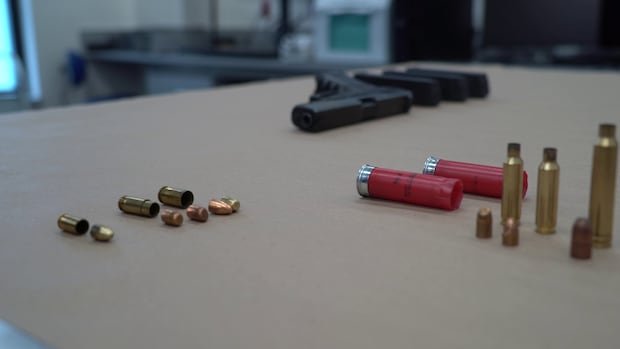
In addition to human fingerprints, firearms themselves leave unique marks that can be crucial in investigations. Using a controlled setup in the indoor shooting range, Walsh fires guns to imprint distinctive marks on bullets and casings. These firearm “fingerprints” are cataloged in an international database to compare them with evidence from other crime scenes, potentially linking weapons to multiple incidents.
As criminal behaviors evolve, forensic experts face new challenges, such as the emergence of ghost guns – untraceable 3D-printed firearms lacking serial numbers. Despite these hurdles, traditional forensic techniques like DNA and fingerprint analysis remain instrumental in tracing illicit weapons. Most firearms processed in the lab are conventional handguns, with criminals increasingly leaving serial numbers intact to avoid detection.
Det. Sgt. Jon Meinen highlighted the significance of lab work in combating gun-related crimes, emphasizing the successful tracking of guns’ origins and sales locations. The majority of traced firearms originate from south of the border, with 76% entering London from the United States in 2025. Meinen underscored that these weapons are frequently linked to gang and drug activities, calling for continued efforts to disrupt the influx of illegal firearms into the city.
By understanding how guns enter the region and implementing preventive measures, law enforcement aims to curtail gun-related incidents and enhance public safety. The ongoing investigative work by the London Police Service reflects a commitment to addressing the root causes of gun violence and safeguarding the community.