


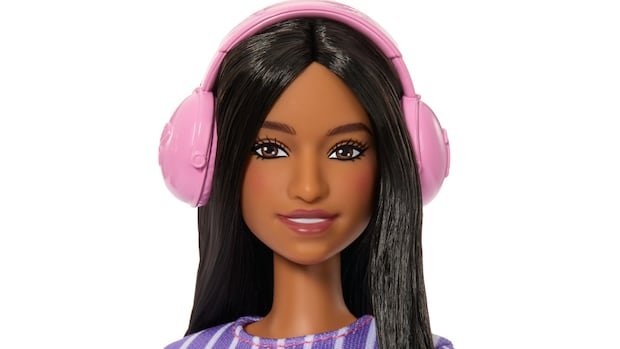

Mattel, the renowned toymaker, introduced a new Barbie doll this week that is drawing attention to the representation of autism in toys. The autistic Barbie, unveiled on Monday, was developed in consultation with the Autism Self Advocacy Network to accurately portray visual characteristics and accessories associated with individuals on the autism spectrum. This move by Mattel has sparked discussions about the importance of representation for individuals with autism, who are often underrepresented in the toy market.
The release of the autistic Barbie has been celebrated by individuals like Katherine L’Etang, a social media influencer from Vancouver Island with personal connections to autism. However, there are differing opinions on whether the doll effectively represents the diversity within the autism community. Some feel that the doll’s features may perpetuate stereotypes about autism, while others appreciate the effort to create a more inclusive toy option.
Critics point out that not all autistic individuals exhibit the same traits depicted by the Barbie doll, such as aversion to eye contact or the need for sensory accommodations like noise-cancelling headphones. Suggestions have been made for a more customizable approach, allowing children to personalize their dolls to better reflect their unique traits.
Despite the mixed reactions, the online discourse surrounding the autistic Barbie has been deemed valuable by some, prompting discussions about how autism is portrayed in media and products. While there are concerns about the potential impact of the doll’s representation, there is hope that it will lead to greater inclusivity and awareness of autism in the toy industry.