



Approximately 25% of the global population menstruates, yet there has been limited innovation in menstrual products, as per a researcher at McMaster University.
McMaster University professor Zeinab Hosseinidoust emphasized the potential for innovation in this field, highlighting unmet basic needs and opportunities for improvement.
Specializing in chemical engineering at the university in Hamilton, Hosseinidoust collaborated with associate professor Tohid Didar to develop smart tablets that enhance the usability of menstrual cups and address associated messiness.
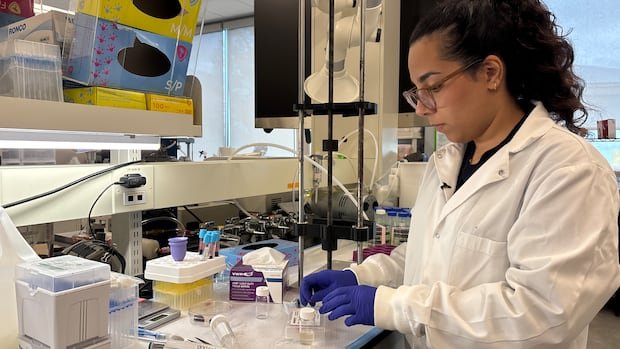
McMaster University PhD candidate Shaghayegh Moghimi explains how the absorbent tablets are made and how to use them.
UN Women reports that over two billion individuals globally menstruate, with one in six menstruating individuals in Canada experiencing period poverty. On average, a person in Canada spends around $6,000 on period products in their lifetime, and one in four Canadians hold negative perceptions about periods, citing them as dirty and unclean, according to federal government data.
Menstrual cups have gained popularity for their eco-friendly and cost-effective nature, allowing for long-term reuse. Hosseinidoust investigated the reluctance towards using menstrual cups by examining social media comments that often raised concerns about messiness.
The solution to the messiness issue was the development of a simple yet effective tablet, addressing a common barrier to menstrual cup adoption.
Hosseinidoust underscored the importance of addressing menstrual health issues and women’s health concerns rather than ignoring them, advocating for a proactive approach.

Period products influence daily functionality for some individuals
Sharing her perspective, McMaster University student Dior David expressed support for the innovative tablets, highlighting their convenience for changing menstrual cups or discs in public restrooms without requiring a trip to a sink for rinsing.
David emphasized the potential ease and convenience that such a tablet would offer in managing menstrual hygiene effectively.
Another McMaster University student, Jennifer Abraham, welcomed the advancements in the menstrual industry, stressing the importance of product diversity and education to empower individuals to choose the best options for their needs.
Abraham emphasized the significance of research initiatives like this in driving conversations and reducing stigmas surrounding menstruation.
She pointed out that initiatives like this play a role in enhancing women’s functionality and societal contributions by addressing menstrual health challenges.