


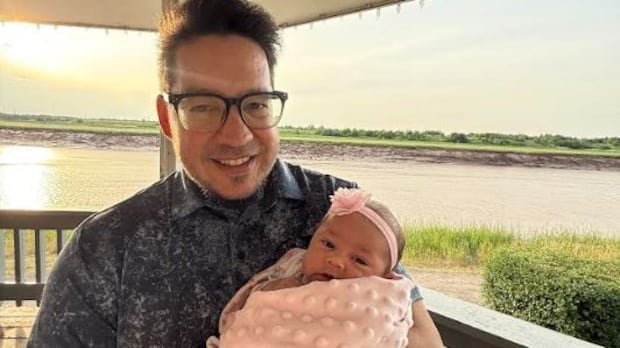

A member of the Mi’kmaw community from Elsipogtog First Nation in New Brunswick is concerned that his granddaughter will be the first in their family to lose Indian status eligibility. DJ Joseph, who has spent most of his life in Elsipogtog, expressed his worries about potentially being erased from history due to the second-generation cut-off rule. This rule, which removes status after two generations of having a non-status parent, means that Joseph’s new granddaughter is not eligible for Indian status under the current regulations.
Despite ongoing Senate reviews of potential amendments to the Indian Act, advocates argue that the proposed changes do not adequately address the issues faced by families like the Josephs. Joseph questions whether his descendants will ever be able to identify as Mi’kmaw, given the restrictions imposed by the government.
Historically, Indian status was primarily passed down through men until 1985 when the system changed to include status grandparents. Individuals with two status parents are registered under section 6(1), while those with only one status parent fall under 6(2). The distinction lies in the ability to transmit status to the next generation, leading to cases like Joseph’s, where his granddaughter is ineligible for status due to her non-First Nations parentage.
Expressing frustration with the government’s role in perpetuating these restrictions, Joseph hopes for a future where the status can be inherited through alternative means or where communities like Elsipogtog can manage their own registries. The current situation in Elsipogtog falls under section 11 band membership, meaning that Indigenous Services Canada controls the membership list. In contrast, section 10 allows communities to develop membership codes independently, although the federal government still oversees Indian status registration.
While Bill S-2 aims to address gender discrimination issues within the Indian Act, it lacks provisions concerning the second-generation cut-off rule and the sovereignty of First Nations in managing band membership. Assembly of First Nations National Chief Cindy Woodhouse Nepinak advocates for transferring control over status eligibility to communities and eliminating the second-generation cut-off rule from the legislation.
Woodhouse Nepinak emphasizes the importance of empowering First Nations to determine their membership criteria and secure adequate funding to accommodate new status-eligible individuals. Despite ongoing consultations and legislative efforts, concerns remain about the government’s commitment to supporting Indigenous communities through these changes.
ISC’s consultation on the second-generation cut-off aims to address the declining number of status-eligible individuals in the future. With various stakeholders engaging in the process, proposals to resolve this issue are expected to be submitted, signaling ongoing efforts to reform the Indian Act and protect the rights of Indigenous peoples.