


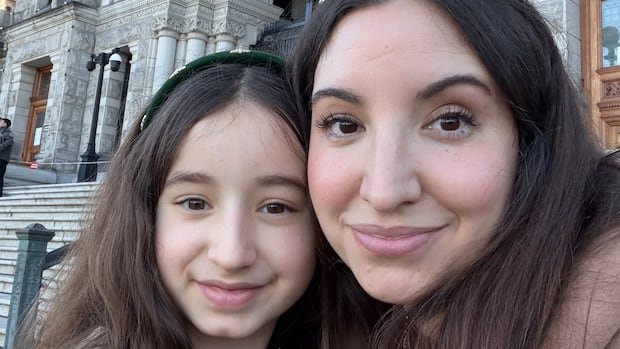

A mother of two, diagnosed with Stage 4 breast cancer, has expressed concerns about the prolonged delay in seeing an oncologist, which she believes may have led to a critical loss of time. Recent data from B.C. Cancer shared with CBC News indicates that although care wait times are showing improvement, British Columbia is still trailing behind other provinces in this regard.
Sara Gillooly, a 40-year-old resident of Port Moody, B.C., is cautious when discussing the prognosis of her advanced breast cancer to shield her 11-year-old daughter, Alina, and four-year-old son, Taig, from unnecessary distress. She emotionally reveals, “When you have metastatic breast cancer, you’re down to 25 per cent to make it to five years.”
Reflecting on the past eight months since discovering a lump in her breast, Gillooly questions whether swifter action could have prevented the cancer from spreading to her bones and lungs. Despite praising the medical professionals involved in her care, she expresses disappointment with the extended wait times she encountered during her treatment journey.
Following the detection of the lump in May, Gillooly received her breast cancer diagnosis on July 1, with surgery to remove the tumor performed on July 28. However, it took an additional two months before her initial consultation with an oncologist – far exceeding the recommended national standard of four weeks. This delay, Gillooly asserts, hindered crucial diagnostic tests, including the Oncotype DX test, which assesses the risk of cancer recurrence.
By early November, subsequent tests revealed that Gillooly’s cancer had metastasized to her lungs, prompting her to question whether the delay in medical care could have altered the outcome. B.C. Cancer’s data underscores the province’s ongoing struggle to meet the benchmark timeframe for patient referrals to oncologists, with only 63 percent of new patients meeting this standard.
Dr. Paris-Ann Ingledew, B.C. Cancer’s chief medical officer, acknowledges the urgency of prompt cancer care, emphasizing that any delay is detrimental for patients battling the disease. The Health Sciences Association’s president, Sarah Kooner, expresses dismay at Gillooly’s ordeal, attributing delays in treatment to workforce shortages in diagnostic imaging, particularly for crucial tests like PET scans.
Dr. Robert Carruthers, leading the “Every Number is a Story” campaign, empathizes with Gillooly’s situation, highlighting the widespread issue of delays affecting many cancer patients. He stresses the negative impact of specialist shortages on timely cancer diagnoses, emphasizing the critical need for swift access to healthcare services for all individuals.
Despite recent efforts to reduce treatment delays, B.C. Cancer reports that the province still faces challenges in improving radiation therapy wait times, with data indicating that B.C.’s performance in this area remains subpar compared to national standards. Premier David Eby acknowledges the progress made in addressing these issues, citing increased hiring of medical staff and the planned opening of new cancer centers as positive steps forward.
While improvements have been made in reducing treatment delays, the strain on the healthcare system persists, with ongoing efforts needed to enhance access to timely cancer care for all patients in British Columbia.