



Sonya Yokota William expressed concerns about the potential impact on the future of the moviegoing experience following reports of Netflix’s plans to acquire Warner Bros. Discovery’s TV and film studio, a renowned asset in Hollywood. Despite Netflix’s assurances to maintain the studio’s current operations, there are ongoing industry apprehensions regarding the streaming giant’s approach to theatrical releases.
The acquisition deal, valued at $72 billion US, is pending regulatory approval, while Paramount Skydance has initiated a hostile takeover bid worth $108.4 billion US. Industry analysts note a continued desire for movie theater experiences but emphasize the need for compelling reasons to attract customers, as rising costs have made cinema visits less appealing.
Michael O’Leary, president and CEO of Cinema United, described Netflix’s bid as an unprecedented threat to the global exhibition business, highlighting concerns about the potential reduction in domestic box office revenue if traditional Warner Bros. theatrical releases shift away from theaters. The debate also delves into the impact of exclusive theatrical windows and evolving consumer habits in the movie industry landscape.
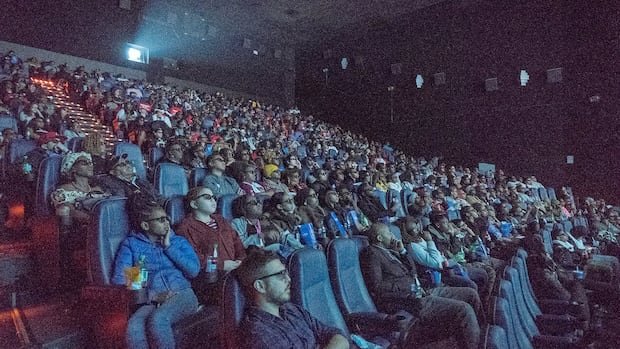
The bidding war over Warner Bros. has reignited discussions on the future of moviegoing, with questions raised about the dominance of home viewing and the evolving cinema experience. Reports suggest that while audiences have not abandoned theaters entirely, they require more enticing offerings to draw them back, positioning movie theaters as premium destinations with unique experiences that differentiate from home viewing.
Studios and theaters are urged to enhance marketing strategies and promote the value of the theatrical experience to attract audiences. Success stories like the simultaneous release of “Barbie” and “Oppenheimer” in 2023 demonstrate audience enthusiasm for theatrical releases, emphasizing the importance of providing audiences with the choice to enjoy movies in a cinema setting.