


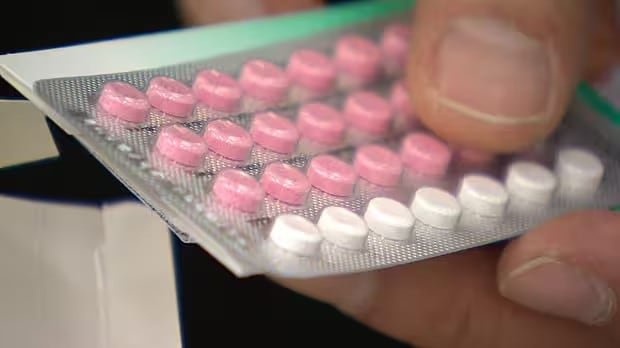

In the inaugural year of Manitoba’s free contraception initiative, over 53,000 individuals have availed themselves of cost-free birth control, as reported by the provincial government. Implemented since October 2024, eligible residents have had expenses covered for approximately 60 commonly used birth control methods, such as contraceptive pills, intrauterine devices (IUDs), hormonal implants, and contraceptive injections, through the provincial pharmacare program. A Manitoba health card and a prescription are necessary for program access, with eligibility extended to those lacking coverage from other federal or provincial programs.
Between October 2, 2024, and October 21, 2025, more than 53,000 individuals benefited from the program, surpassing the population of Brandon, as per a provincial spokesperson’s statement to CBC News. Throughout this timeframe, a total of 190,000 prescriptions were dispensed for various contraceptive types, with nearly 90% comprising oral birth control, commonly known as “the pill.”
Health Minister Uzoma Asagwara highlighted the substantial number of filled prescriptions as indicative of genuine demand, emphasizing the significant impact of providing free birth control to eligible Manitobans in improving their lives. Pharmacists in Winnipeg, like Ryan Chan and Britt Kural, have lauded the program for its positive reception among clients, eliminating out-of-pocket expenses and enhancing accessibility.
While the initiative has enhanced cost accessibility for contraceptives, pharmacists, including Kural, advocate for granting them prescribing powers to further alleviate barriers. With over 150,000 Manitobans lacking a family doctor due to the province’s low doctor-per-capita ratio, enabling pharmacists to prescribe birth control could significantly enhance access to primary care services, particularly in underserved communities.
The government’s pledge to empower pharmacists with prescribing abilities was reiterated in November’s throne speech, aiming to streamline access to reproductive care and common medications like birth control. As Manitoba waits for this development, stakeholders stress the need for prompt action to align with practices in other provinces, like Saskatchewan, which has enabled pharmacists to prescribe birth control since 2018.
Kural emphasized the urgency for Manitoba to bridge the gap with other provinces and fulfill the promised changes promptly in 2026 to ensure equitable access to healthcare services for Manitobans.