


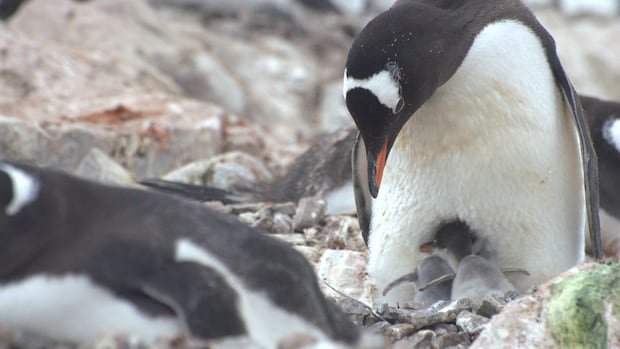

Penguins living in Antarctica are swiftly adjusting their breeding patterns in response to escalating temperatures caused by climate change, according to a comprehensive study spanning a decade. The research, detailed in the Journal of Animal Ecology, examined three penguin species, revealing varying rates of adaptation based on their unique characteristics and vulnerabilities.
Lead researcher Ignacio Martinez from the University of Oxford highlighted the emergence of potential “winners and losers of climate change” among the studied Gentoo, Adélie, and chinstrap penguins. The Gentoo penguins, known for their adaptable diet and ability to remain near their nesting sites year-round, exhibited the most significant shift in breeding seasons, advancing by an average of 13 days, marking unprecedented change within vertebrates.
In contrast, the chinstrap and Adélie penguins, reliant on krill and covering extensive distances annually, experienced a more moderate adjustment of approximately 10 days in their breeding periods. The study, facilitated by a network of 77 time-lapse cameras monitoring penguin colonies across the Antarctic Peninsula and neighboring islands, demonstrated the rapid response of these species to the rapidly evolving climate, which is accelerating up to three times faster than the global average.
While the rapid adaptation of penguins to changing conditions is commendable, Martinez cautioned that disparities in adjustment rates among species could lead to potential conflicts over resources and territories. Despite the apparent advantage of the Gentoo penguins in establishing new colonies and bolstering their population while others decline, the long-term implications for penguin diversity remain concerning.
Beyond the realm of penguins, a recent study published in Nature Communications highlighted the widespread trend of various bird, mammal, and reptile species worldwide altering their breeding and migration schedules due to climate change. These shifts, occurring notably quicker in species inhabiting polar regions, indicate an overarching pattern of adaptation to the changing environment.
In conclusion, while the penguin study sheds light on the rapid adjustments in breeding seasons, further research is needed to assess the overall impact on penguin populations and the intricate dynamics among the different species. Martinez and his team plan to delve deeper into these consequences in their future investigations.