



The Princess Margaret Cancer Centre in Ontario plans to screen up to 100,000 individuals over the next five years for genetic conditions linked to hereditary cancers and high cholesterol-heart disease risks. This initiative, touted as one of Canada’s largest population genomics studies, aims to empower participants and their healthcare providers to make informed decisions that could potentially mitigate, delay, or prevent cancer and heart disease risks. Concurrently, the project provides valuable data for hospital researchers to identify individuals with heightened health vulnerabilities.
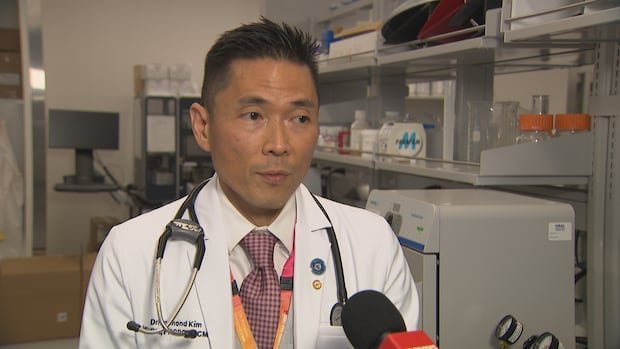
The initial phase targets cancer patients at the center, as these individuals may harbor genetic predispositions that could impact their treatment plans or monitoring protocols, according to Dr. Raymond Kim, the medical director overseeing cancer early detection at Princess Margaret. Understanding the genetic makeup of these patients is crucial for doctors to assess potential additional cancer risks beyond the current diagnosis.
Knowledge of individuals’ genetic profiles enables healthcare providers to tailor treatment strategies based on identified risks. For instance, individuals with BRCA mutations are advised to commence breast monitoring at an early age, while those carrying a gene variant associated with Lynch syndrome may require specialized screenings such as colonoscopies.
One such patient, Leslie Born, underwent genetic screening after her advanced ovarian cancer diagnosis in 2020, revealing a BRCA2 mutation that increased her susceptibility to various cancers. Subsequently, Born now undergoes regular breast surveillance to manage her heightened cancer risk, a preventive measure made possible through genomic insights.
Expanding the scope of genetic testing is crucial in modern healthcare, especially as traditional methods may overlook high-risk individuals within smaller family structures. Laura Palma, a certified genetic counselor at McGill University Health Centre, emphasizes the importance of broader access to genetic testing for improved risk identification and proactive health management. The project’s outcomes and participants’ responses, including potential lifestyle modifications, are anticipated findings that could inform future healthcare practices.
While genomic testing and personalized care entail costs, the long-term cost-effectiveness and integration of such models into the healthcare system remain subjects of ongoing evaluation. Jenna Scott, co-director of the genetic counseling program at the University of British Columbia, underscores the project’s advancements in genomic testing accessibility but highlights the need to address cultural considerations and scalability for wider implementation.
The research team aims to leverage the collected data to assess the efficacy of broader screenings and the impact on diverse populations. Envisioning an inclusive approach, Dr. Kim plans to extend enrollment beyond the University Health Network in Toronto to include referrals from primary care physicians, ensuring comprehensive coverage for at-risk individuals.
Collaborating with Helix, a biotechnology company, the Princess Margaret Cancer Centre is committed to upholding strict privacy standards as they embark on this groundbreaking genetic testing endeavor. Through counseling, surveillance, and personalized treatments, family members of patients with familial hypercholesterolemia will also receive tailored interventions to manage their genetic health risks effectively.