


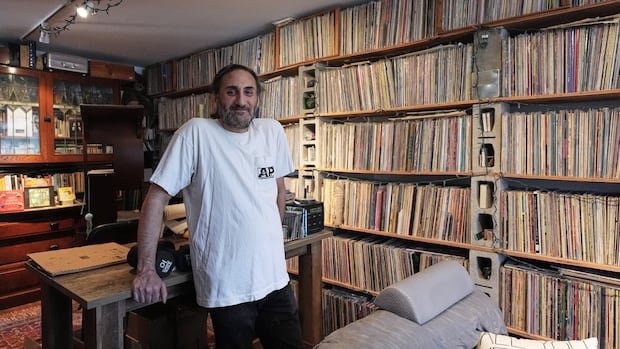

In 1989, a young music enthusiast named Aadam Jacobs attended a debut performance by an emerging rock band from Washington in Chicago. Carrying a compact Sony cassette recorder, Jacobs captured the band, Nirvana, delivering a raw performance of their first song, “School,” two years before their global success with the album “Nevermind.”
Over the next four decades, Jacobs recorded over 10,000 concerts across various cities, progressively upgrading his recording equipment. A dedicated team of volunteers in the U.S. and Europe is now meticulously organizing, digitizing, and sharing Jacobs’s extensive collection online, known as the Aadam Jacobs Collection.
This treasure trove is a valuable resource for music aficionados, particularly those interested in indie and punk rock from the 1980s to the early 2000s. The collection includes early performances by iconic artists like R.E.M., The Cure, The Pixies, and Sonic Youth, as well as lesser-known acts spanning different genres.
The digitized recordings, including the historic Nirvana show, are gradually being made available for streaming and free download on the Internet Archive, enhancing accessibility to these musical gems.
Before his Nirvana recording, Jacobs had been capturing concerts since 1984. Initially inspired by recording songs off the radio, he later ventured into live concert recordings, using various recording devices from basic equipment to more advanced digital recorders.
Described as a dedicated music fan rather than an archivist, Jacobs documented numerous shows, overcoming initial resistance from venue owners to become a respected figure in the music scene. Filmmaker Katlin Schneider’s documentary on Jacobs led to his collection’s preservation by the Internet Archive volunteers.
Volunteer Brian Emerick plays a crucial role in transferring analog recordings to digital formats, a meticulous process that involves repairing and operating outdated cassette and DAT decks. The project, estimated to take a few more years, relies on volunteer engineers worldwide to enhance audio quality and provide metadata for each recording.
Despite challenges in identifying song titles, volunteers work diligently to ensure accurate documentation of each setlist. Most artists appreciate having their performances preserved in the collection, with only a few requesting removal due to copyright concerns.
With Jacobs no longer actively recording due to health reasons, he continues to enjoy live music recordings online, recognizing the evolving landscape where anyone can capture and share concert experiences through modern technology.