


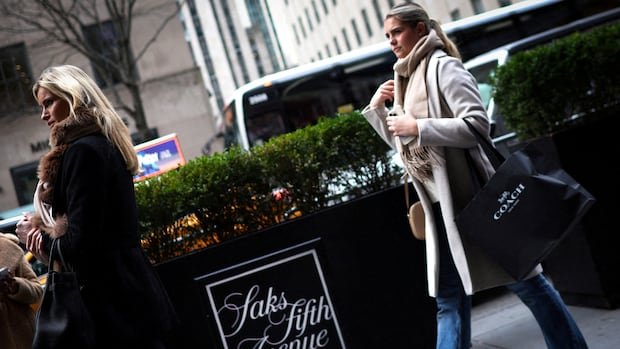

High-end retail giant Saks Global has filed for bankruptcy protection, marking a significant retail downfall since the pandemic began. This move follows a merger last year that aimed to consolidate Saks Fifth Avenue, Bergdorf Goodman, and Neiman Marcus. Despite the uncertainties surrounding the future of this iconic luxury brand, Saks has assured that its stores will continue operating following the finalization of a $1.75 billion financing deal and the appointment of a new CEO.
The impact of the COVID-19 pandemic, increasing online competition, and brands selling directly through their own stores has taken a toll on Saks, leading to financial struggles. The company faced challenges meeting vendor payments, resulting in inventory shortages. Geoffroy van Raemdonck, former CEO of Neiman Marcus, will take over from Richard Baker, who orchestrated the acquisition strategy that burdened Saks Global with debt.
With assets and liabilities estimated between $1 billion to $10 billion, the bankruptcy filing in Houston, Texas, aims to facilitate debt restructuring or a change in ownership for Saks. The company emphasized that the issue lies in inventory availability and vendor confidence, rather than a lack of demand for luxury goods.
The Neiman Marcus acquisition exacerbated Saks Global’s financial woes at a time when luxury sales were slowing globally. Industry experts believe that the merger was destined to struggle in a market where luxury brands increasingly focus on direct-to-consumer sales. Saks Global, with approximately 17,000 employees, previously raised $600 million and restructured debt in 2025 but continued to face liquidity challenges due to vendor payment delays and inventory disruptions.
To address its cash flow issues, Saks Global recently sold the real estate of the Neiman Marcus Beverly Hills flagship store and explored selling a minority stake in Bergdorf Goodman. The new financing package includes a $1 billion cash injection through a debtor-in-possession loan and additional funding post-bankruptcy exit. Notable creditors include luxury brands like Chanel, Kering, and LVMH, with debts ranging from millions to tens of millions of dollars.
The bankruptcy filing signifies a broader shift in the luxury industry towards reducing reliance on department stores and prioritizing direct-to-consumer and exclusive partnerships. Richard Baker’s strategic maneuvers, including the Neiman Marcus takeover and the creation of Saks Global, aimed to consolidate American fashion icons under one umbrella.