



A historic lack of snow in the western United States is causing worry about future water scarcity and wildfires. A recent study from Canada indicates this trend may pose long-term risks to water resources across the nation.
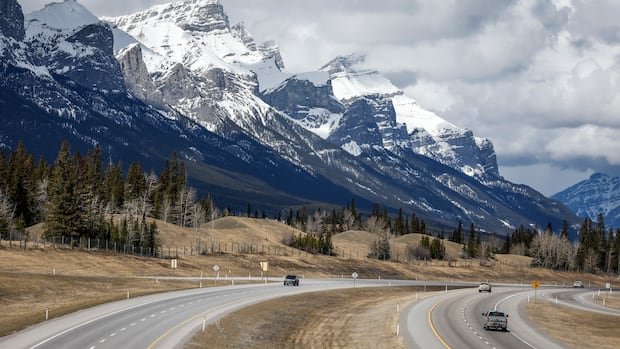
Snow levels in the western U.S. are significantly below average for this time of year, marking the lowest recorded levels since NASA’s Terra satellite began monitoring in 2001. Experts suggest that a warming climate is likely contributing to this phenomenon. Research from Concordia University in Montreal reveals a decline in snow accumulation and water content from 2000 to 2019 in parts of Western Canada, particularly impacting the headwaters of major rivers in the Canadian Rockies.
Although the affected areas make up only a small percentage of the country, the study highlights concerning declines in 14 out of 25 major drainage basins in Canada. These diminishing snow levels have far-reaching implications, affecting municipal water systems, agriculture, lake levels, shipping, and increasing the wildfire risk in Canadian forests.
The reduction in snowpack, often described as a natural water tower, is crucial for storing and gradually releasing water when needed, particularly during the summer months for agricultural purposes. The current ski season at major resorts in the region is being disrupted due to the lack of snow, impacting operations and visitor experiences.
The ongoing snow drought in Vancouver, with the city experiencing its first snow-free winter in over four decades, is also of concern. The unusual conditions are attributed to a “wet snow drought,” where precipitation falls as rain instead of snow due to warmer temperatures, further exacerbating the water scarcity issue.
The decrease in snow cover not only affects water availability but also raises concerns about earlier water stress in forests, potentially heightening the risk of wildfires. Experts emphasize the importance of studying these trends to understand the evolving impacts and adapt to changing water resource dynamics. The future severity of water shortages remains uncertain and requires further investigation to mitigate potential vulnerabilities.
As researchers continue to monitor these developments, the focus shifts towards reevaluating water management strategies to address the changing landscape of water resources in the face of climate change.