


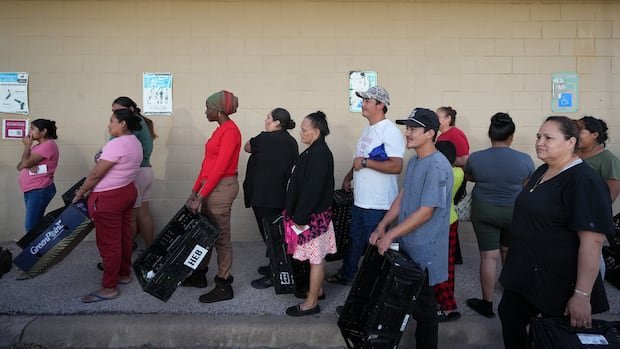

The ongoing government shutdown in the United States has now reached its 36th day, making it the longest shutdown in history. This has caused significant disruptions to the lives of many Americans, leading to cuts in federal programs, flight delays, and federal employees going without pay.
President Donald Trump has taken a firm stance, refusing to engage in negotiations with Democrats until they agree to reopen the government. However, there are doubts among Democrats about whether the president will uphold his promises, especially after the administration curtailed SNAP food aid despite court orders.
Trump attributed the Republican Party’s recent election losses to the shutdown and reiterated his calls for Republicans to end the Senate filibuster to facilitate government reopening, a move that has been met with resistance from senators.
The shutdown has resulted in financial hardships for federal workers, with many being furloughed or working without pay. The situation has also impacted essential services like food aid and transportation, leading to concerns about potential chaos in air travel due to unpaid air traffic controllers.
Estimates suggest that the shutdown is costing the U.S. economy billions of dollars each week, with various projections indicating significant financial losses. Lawmakers from both parties are under pressure to find a resolution to the impasse and restore government operations.
Efforts are being made to reach bipartisan agreements on funding bills that have widespread support, including vital government functions like agricultural programs and military construction projects. However, there are challenges in resolving issues such as funding for Affordable Care Act subsidies and navigating the political landscape to end the standoff.
President Trump’s handling of the shutdown differs from his previous term, where he engaged in negotiations with congressional leaders during a partial government closure. The current shutdown under his administration has surpassed previous records, raising concerns about the lasting impact on the country.