


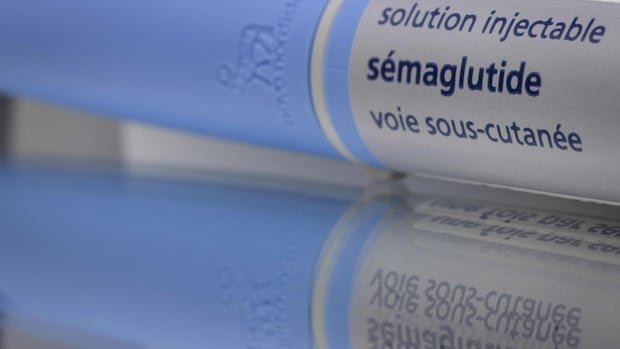

Following his departure from the navy, Michael McCluskey, aged 61, developed a reputation as a heavy drinker, consuming an average of four to five alcoholic beverages per night. Occasionally, he even indulged in up to 10 drinks without considering it unusual. However, this pattern shifted four years ago when he initiated Ozempic treatment for weight loss. Shedding 110 pounds, McCluskey experienced a swift and profound loss of interest in alcohol. Presently, he only imbibes twice a year during sci-fi conventions he hosts.
Describing the transformation, McCluskey from Dartmouth, N.S., remarked, “It’s like a switch was flipped in my mind. There’s simply no craving. That’s the reality.”
His case is not an isolated incident. Research examining historical patient records has established a correlation between glucagon-like peptide-1 receptor agonist medications, such as Ozempic, and a decrease in cravings not only for food but also for various vices including alcohol, nicotine, cannabis, and opioids. Some studies even indicate a reduction in behaviors like caffeine consumption and compulsive shopping.

Although the precise mechanism through which drugs like Ozempic suppress cravings, particularly for addictive substances, remains unclear, researchers are exploring several hypotheses, some of which are being tested in Canada to address the escalating opioid crisis.
Exploration of New Findings
There is a limited number of randomized clinical trials, the gold standard for assessing medical assertions, investigating the impact of GLP-1 RAs on addictive behaviors. Recent reviews indicate only two trials have focused on alcohol addiction, none on opioid addiction, and two on nicotine addiction.
Christian Hendershot, a Canadian researcher based in California, co-authored one of these randomized controlled trials recently published in JAMA Psychiatry, which investigated alcohol consumption. In the study, 48 heavy drinkers were divided into two groups, with one group receiving a weekly semaglutide shot, the active ingredient in drugs like Ozempic and Wegovy, while the other group received a placebo. The results showed that the semaglutide group significantly reduced their alcohol consumption.

From gambling and alcohol to pornography, Ozempic and GLP-1 drugs could soon be used to cure all manner of addictions. Watch The Ozempic Effect: Beyond the Waistline on CBC Gem.
Hendershot emphasized the significance of the findings, noting that the subjects did not have an intention to reduce their drinking habits. He stressed the necessity of further clinical trials to establish the safety and efficacy of such medications in clinical settings.
Despite the promising outcomes, Hendershot advocates for prudence until larger, long-term studies are