


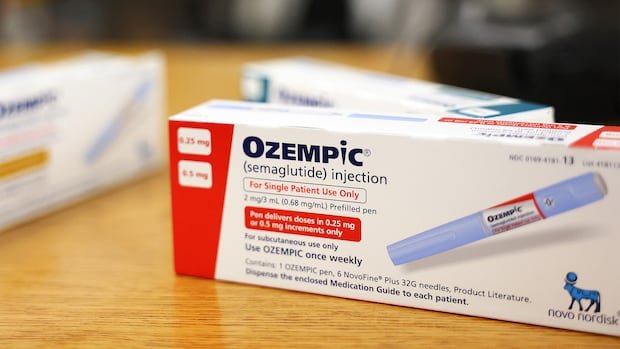

The World Health Organization has released its initial guideline concerning the utilization of GLP-1 treatments for obesity, conditionally suggesting their incorporation into long-term management for the condition, which impacts over one billion individuals globally. The surge in demand for GLP-1 agonists worldwide has led to governments considering the integration of these highly sought-after therapies into public health systems.
The primary conditional recommendation advocates for the use of GLP-1 medications by adults (excluding pregnant women) for extended obesity treatment, with a secondary recommendation proposing lifestyle interventions such as a nutritious diet and regular physical activity to accompany the pharmaceutical treatment.
WHO Director-General Tedros Adhanom Ghebreyesus highlighted that the new guidance acknowledges obesity as a chronic ailment that can be effectively managed through comprehensive and lifelong care. While emphasizing that medication alone cannot combat this global health crisis, the use of GLP-1 drugs could assist millions in overcoming obesity and mitigating its associated risks. The organization warned that the economic impact of obesity is escalating, with the annual global cost projected to reach $3 trillion US by 2030.
Dr. Marie Spreckley from the University of Cambridge expressed that the recommendations were appropriately graded as conditional, citing uncertainties regarding long-term usage at higher dosages, affordability, and health system capacities. This recent development builds upon the WHO’s decision in September to include semaglutide and tirzepatide, key components in Novo Nordisk’s Ozempic and Eli Lilly’s Mounjaro, in its essential medicines list for managing type 2 diabetes in high-risk populations.
The latest guideline specifically targets adults with a body mass index of 30 or above, recommending three agents: semaglutide, tirzepatide, and an older drug within the same class named liraglutide. WHO underscored that despite the rapid expansion in production, access to GLP-1 therapies remains a significant challenge, estimating that by 2030, these medications are likely to reach less than 10% of those who could benefit.
Addressing concerns about equitable access, Tedros emphasized the need for concerted efforts to prevent these medicines from exacerbating disparities between wealthy and low-income populations both globally and within individual countries. WHO officials stressed the necessity of enhancing production, enhancing affordability, and establishing procurement mechanisms, like pooled purchasing, to facilitate fair access to GLP-1 treatments.
The organization disclosed plans to collaborate with governments and stakeholders in 2026 to prioritize access for individuals at the highest health risk.