


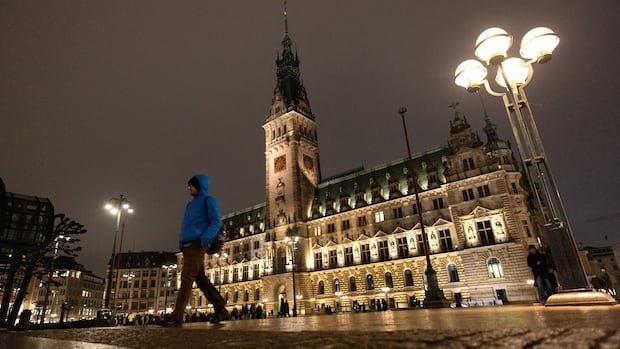

German authorities have pinpointed Hamburg as the location where a sewage sample containing the wild form of the poliovirus was discovered. The Robert Koch Institute (RKI) confirmed the presence of the wild polio virus in a wastewater test in an unspecified German location, marking the first detection of the wild virus through environmental sampling in the country since 2021.
Health officials in Hamburg announced the formation of an expert task force on infection control to further investigate the situation in close coordination with the RKI. Despite the findings, no cases of infection have been reported, reassuring experts that the risk is low due to widespread polio vaccination coverage in Germany.
Polio, also known as poliomyelitis, is an infectious disease that primarily affects children under the age of five. Although mostly asymptomatic, it can lead to symptoms such as fever and vomiting. Approximately one in 200 infections results in irreversible paralysis, with up to 10% of patients facing death. While there is no cure for polio, vaccination has significantly reduced global case rates by 99% since mass vaccination campaigns began in 1988.
Wild polio and vaccine-derived polio are the two forms of the disease. Wild polio, endemic to Afghanistan and Pakistan, causes a limited number of cases annually. The strain detected in German wastewater is linked to the Afghan strain. On the other hand, vaccine-derived polio, more common but still rare, stems from the oral polio vaccine and can lead to paralysis and death in some cases.
The recent detection of wild polio in Germany serves as a testament to the effectiveness of sewage sampling in tracking the spread of the virus. Despite the rare occurrence of wild polio detection in Europe, experts emphasize that high vaccination coverage minimizes the risk of outbreaks. The WHO highlighted that the absence of previous detections does not guarantee the virus’s absence.
For the global effort to eradicate polio, the detection in Germany underscores the need for continued vigilance and vaccination efforts. While progress has been made, challenges persist, including funding cuts to initiatives like the Global Polio Eradication Initiative. Experts stress the importance of sustained funding and vaccination to prevent the resurgence of polio worldwide.
Beate Kampmann, from the Center for Global Health at Charité in Berlin, emphasized the significance of vaccination in preventing the spread of polio. She highlighted that ongoing support for polio eradication is crucial, urging individuals to ensure they and their children are up-to-date with vaccinations.