


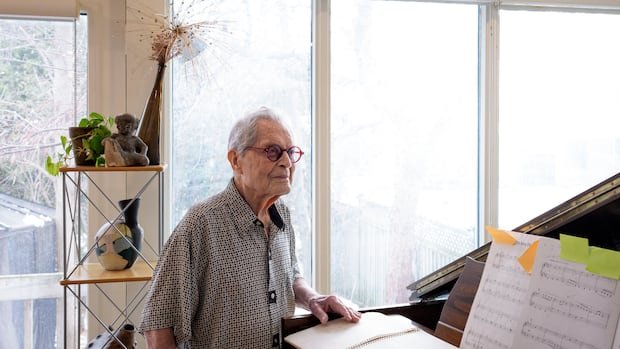

Morry Kernerman, a talented violinist at 100 years old, memorizes YouTube classical music performances, engages in outdoor activities with his son, and volunteers to teach music in South America. Kernerman attributes his long and active life to his passion for music.
As Kernerman approaches his 101st birthday, he represents a superager, individuals over 80 who maintain memory abilities comparable to those in their 40s or 50s. The SuperAging Research Initiative, led by Angela Roberts of Western University, aims to study 500 superagers in the U.S. and Canada to understand how they maintain sharpness and vitality in old age.
Research from the University of Chicago suggests that superagers have brains that age at a slower rate compared to typical aging populations. The study indicates that superagers’ brains do not experience the same level of shrinkage associated with memory and cognitive decline.
Superagers exhibit robust social connections, engage in meaningful hobbies, and prioritize physical activity, all contributing to their prolonged independence and vitality. These factors, along with regular brain scans, blood tests, and physical activity monitoring, are integral to understanding longevity and overall well-being.
Roberts emphasizes the importance of social engagement, physical exercise, and cognitive stimulation in maintaining brain health. Superagers like Kernerman exemplify this by staying active, pursuing passions, and engaging with others to continue learning and growing in their later years.
As researchers delve into the genetics of superagers, the focus remains on identifying lifestyle factors that promote cognitive health and resilience to age-related decline. Longitudinal studies suggest that regardless of genetic predisposition, individuals can adopt habits like staying active, pursuing hobbies, and staying socially connected to potentially ward off cognitive decline.
Superagers like Kernerman embody optimism and resilience, emphasizing the beauty of life even in challenging times. Their stories inspire a new perspective on aging, highlighting the significance of social connections and purposeful living in maintaining vitality and cognitive health in later years.