


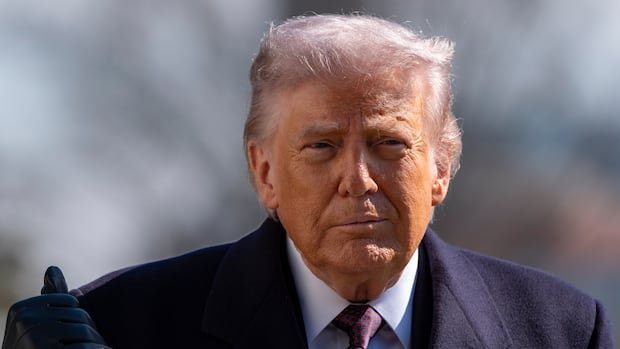

In a public clash between the Trump administration and Anthropic, a leading artificial intelligence company, all U.S. agencies were directed to cease using Anthropic’s AI technology due to concerns over national security implications. The company’s CEO, Dario Amodei, stood firm on safeguarding the use of its AI products, prompting criticism from President Donald Trump and Defense Secretary Pete Hegseth. Trump expressed disdain for Anthropic on social media and announced the termination of business relations with the company.
The Pentagon demanded unrestricted access to Anthropic’s AI technology, particularly its AI chatbot Claude, raising concerns about potential misuse in mass surveillance or autonomous weapons. Amid escalating tensions, Anthropic refused to comply with the government’s demands, leading to the imposition of penalties and the termination of contracts.
The dispute underscores broader issues surrounding AI’s impact on national security, with Trump asserting the government’s authority in military decision-making. While Anthropic faces repercussions, the government’s actions could have repercussions on the company’s standing and partnerships. The controversy has drawn criticism from various stakeholders, including top government officials and industry experts, highlighting the complex interplay between technology, security, and policy.
Despite the fallout, the AI community remains divided, with notable figures like Elon Musk and Sam Altman taking contrasting positions on the matter. The implications of this clash extend beyond individual companies to the broader landscape of AI development and its integration into critical sectors. As the situation unfolds, it raises questions about the delicate balance between innovation, security, and ethical considerations in the realm of artificial intelligence.