


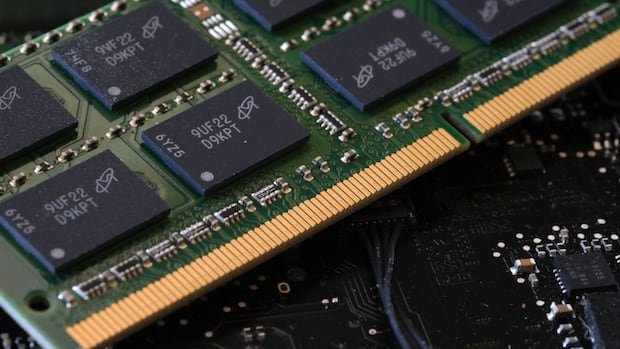

The surge in artificial intelligence investments has caused a global shortage of memory chips, posing a significant challenge for consumer electronics companies worldwide. The scarcity of random access memory (RAM), an essential component in modern devices, is anticipated to result in price hikes and shipment delays for laptops, smartphones, gaming consoles, and even automobiles.
According to Willy Shih, a management practice professor at Harvard Business School, the exponential growth in AI data center investments has monopolized the market, affecting RAM supply. Three major companies—Samsung and SK Hynix from South Korea, and Micron Technology from the U.S.—are the primary manufacturers of RAM globally. With a focus on high-bandwidth memory chips, these companies have redirected their resources from traditional DRAM and flash memory production to cater to the demand for AI applications.
As a consequence, leading consumer electronics manufacturers are bracing for the impact of the memory chip shortage. Qualcomm’s CEO, Cristiano Amon, cited the memory scarcity as a reason for the company’s subdued second-quarter forecast. Industry giants like Intel and HP have already started adjusting prices to cope with the supply constraints.
Apple CEO Tim Cook has acknowledged the looming challenge, foreseeing a significant surge in memory pricing. The shortage has prompted various responses from companies, with some opting to absorb the increased costs to maintain consumer prices. However, concerns persist within the gaming industry, with fears of potential delays in console releases or price increases due to the memory chip shortage.
Major game developers are exploring strategies to mitigate the impact, including additional fees for existing consumers and diversifying revenue streams. The memory shortage is expected to persist throughout the year, with implications that could span years if the current production shift towards AI memory is not sustainable.
The memory chip crisis serves as a reminder of the intricate balance between technological advancements and supply chain dynamics in the ever-evolving landscape of consumer electronics and AI applications.