


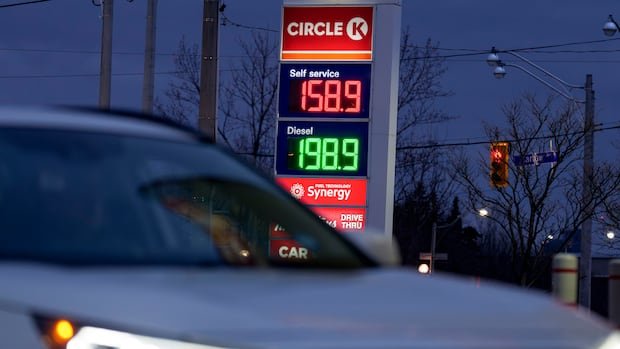

The ongoing U.S.-Israeli conflict with Iran continues to impact oil prices, pushing them towards $100 per barrel and causing global stock markets to decline on Thursday.
On Thursday, the S&P 500 dropped by 1.5% after a period of volatility following a brief calm. The Dow Jones Industrial Average also fell by 1.5%, a decrease of 739 points, while the Nasdaq composite saw a 1.7% decline.
The focal point of concern remains the oil market, with the price of a barrel of Brent crude, the global benchmark, reaching as high as $101.59 overnight.
Fears persist that the conflict could disrupt oil production and transportation in the Persian Gulf for an extended period, leading to a significant inflationary impact on the world economy.
Iran’s actions have intensified, targeting oil facilities and refineries in Gulf Arab countries to exert economic pressure on the U.S. and Israel, resulting in a halt in cargo traffic through the vital Strait of Hormuz, a key passage for a fifth of global oil trade.
In response, the International Energy Agency (IEA) announced its decision to release 400 million barrels of oil, the largest emergency reserve release in its history, to mitigate the conflict’s impact on energy markets.
The U.S. plans to release 172 million barrels from its Strategic Petroleum Reserve next week to counter the soaring prices.
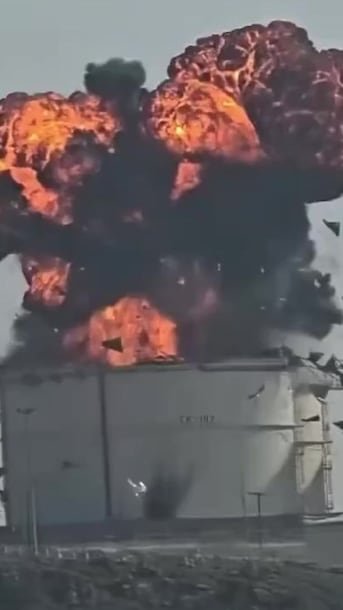
A drone strike on an oil storage facility at Oman’s Port of Salalah was captured in a video shared on social media. CBC News verified the footage by comparing the facility to maps and other images of the port, confirming the explosion and the worker’s uniform matched those from the port on the same day.
The IEA’s decision followed a meeting in Paris where energy ministers from the Group of Seven nations discussed strategies to lower prices.
The ongoing uncertainty has fueled concerns that prices may escalate further, reflecting in global market declines.
According to Oxford Economics, the high volatility in Brent crude prices is expected to persist due to the lack of clarity on de-escalation of the conflict and the resumption of traffic in the closed Strait of Hormuz.
Oxford analysts suggest that depending on developments, oil prices could surge to $140 per barrel.
Since the conflict began on February 28, sharp fluctuations in oil prices have triggered swift movements in global financial markets, creating instability.