


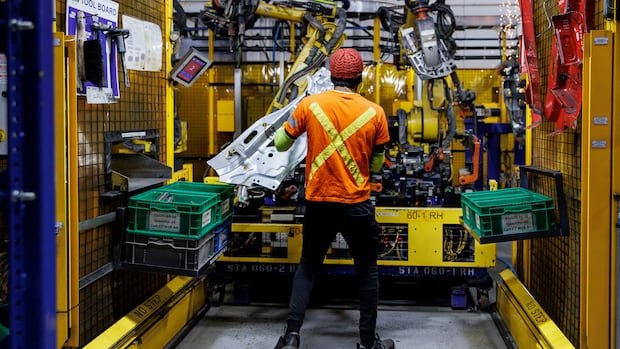

Trade negotiations between the U.S. and Canada were abruptly ended by President Donald Trump, causing tensions among Canadian premiers regarding prioritization of tariff-affected industries.
Divisions emerged as Ontario’s auto sector clashed with the prairies’ canola industry, while B.C. voiced concerns about the lumber sector being overlooked.
Despite recent unity in response to Trump’s actions, underlying tensions persist alongside ongoing tariff threats.
Here’s an overview of the industries most vulnerable to tariffs in each Canadian province, along with insights from provincial leaders amid trade negotiation challenges.
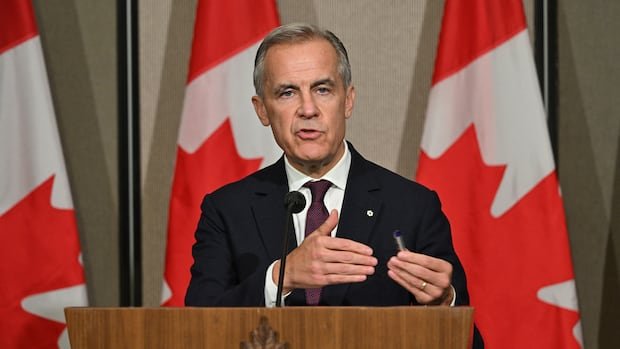
Prime Minister Mark Carney, who says he hasn’t spoken to Donald Trump since the U.S. president cut off trade talks with Canada, took questions while at the ASEAN summit in Malaysia on Monday. Hear Carney’s answers on trade, Trump and whether Canada has a contingency plan.
British Columbia
B.C. Premier David Eby criticized the federal government for neglecting the lumber industry, emphasizing the need for urgent attention similar to that given to other at-risk sectors.
Following a 10% increase in timber and lumber tariffs by the Trump administration, concerns were raised despite B.C.’s heavy reliance on energy and raw minerals for U.S. exports, with wood products playing a significant role in the economy.
The forestry industry, supporting over 100,000 jobs in B.C., faces substantial challenges amid escalating trade tensions.
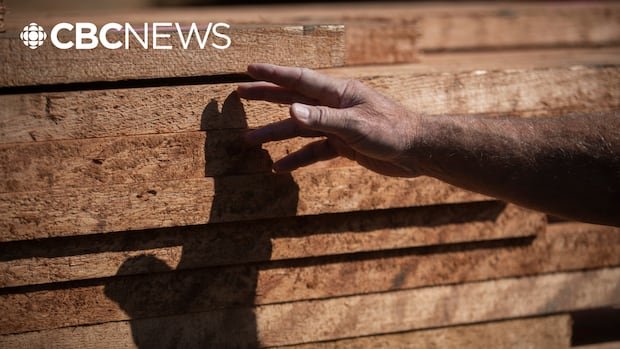
B.C.’s premier says the province is making ads to “defend British Columbians” and Canada’s forestry industry against U.S. tariffs. As Johna Baylon reports, it comes as Ontario pulls its own ad off the air after it angered U