



Astronaut well-being has been a focal point ever since the inception of space exploration. Issues like motion sickness, disorientation, muscle deterioration, and bone weakening have impacted every individual venturing beyond Earth’s atmosphere.
NASA has made strides in managing many of these challenges through medications and rigorous exercise during space missions. However, more severe health complications could pose obstacles for extended journeys to destinations like the moon and Mars. Consequently, scientists are intensifying efforts to comprehend the potential health risks for long-distance astronauts and how to address them effectively.
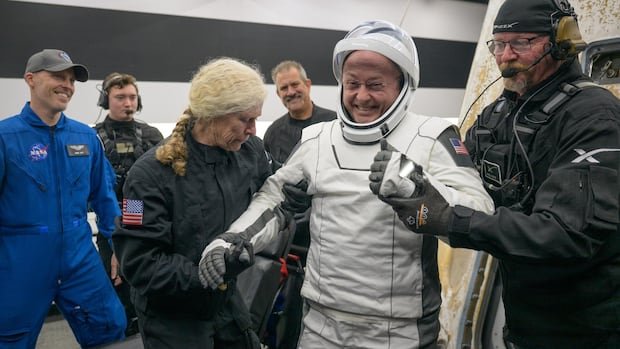
While critical health incidents in space are infrequent, in January 2026, the International Space Station experienced its first-ever medical evacuation after astronaut Mike Finke encountered a non-life-threatening condition necessitating diagnosis and treatment on Earth. The cause of the emergency remains undisclosed by NASA for privacy reasons, although Finke has affirmed his recovery.
Although uncommon, close calls prompt a closer examination to enhance understanding of the impact of microgravity on human health. For a recent segment of “Quirks & Quarks,” a researcher from Simon Fraser University delved into the study of blood clot formation in microgravity following the detection of a clot in an unnamed female astronaut’s neck in 2019.
The study, focusing initially on females and published in the journal “Acta Astronautica,” revealed that blood clots formed in microgravity are more resilient and challenging to dissolve than those formed under normal conditions. Subsequently, the research team extended their investigation to males to ascertain potential sex-based disparities in blood clotting within a microgravity environment.
Both Finke and the unnamed female astronaut underwent diagnosis using a portable ultrasound device routinely utilized for health assessments in weightlessness aboard the space station. While the station carries various medical instruments, limitations exist on equipment transport to orbit, constraining immediate solutions for identified health issues.
Weightlessness can trigger blood clotting and vision alterations due to fluid redistribution to the upper body, heightening risks of clot dislodgment toward the brain. The discovery of a blood clot in the jugular vein of the female astronaut during a research project underscores the importance of vigilant health monitoring in space.
Noteworthy conditions like Space-Associated Neuro-Ocular Syndrome (SANS), affecting astronauts’ vision due to changes in blood flow and pressure impacting the eyes, are substantial concerns during prolonged space missions. Studies indicate a significant incidence rate of SANS among astronauts embarking on long-term space missions.
Injuries also pose common risks in space, with documented musculoskeletal injuries during flights, primarily affecting astronauts’ hands. Exercise, intended to safeguard astronauts, paradoxically emerged as a leading cause of injuries on the space station in a 2017 NASA study.
While the International Space Station is equipped with essential medical resources and staff, certain medical conditions necessitating open surgery, such as appendicitis, mandate immediate return to Earth due to the challenges posed by surgical procedures in a weightless environment.
Future space exploration to the moon and Mars entails prolonged journeys and potential communication delays, underscoring the necessity for autonomous medical care strategies like the Earth-Independent Medical Operations (EIMO) framework being developed by NASA. Emphasizing proactive health management before space travel is crucial to mitigate health risks during extended missions away from Earth.
Despite preventive measures, unforeseen medical emergencies or fatal injuries remain plausible. In such unfortunate circumstances, NASA has detailed protocols in place, including the utilization of space suits as temporary body bags until returning the deceased astronaut to Earth.
The hope is that such tragic scenarios never come to pass, emphasizing the paramount importance of prioritizing astronaut well-being in space exploration endeavors.