


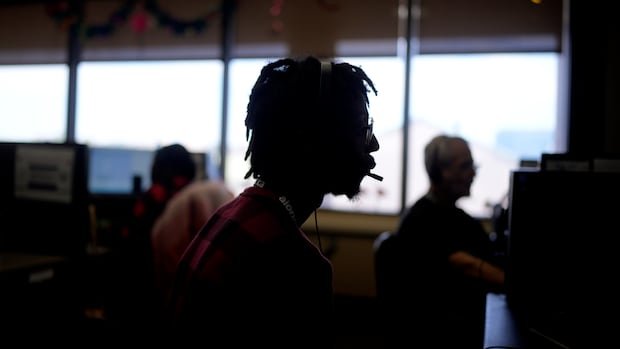

Telecom industry workers are urging the government to implement limitations on the utilization of artificial intelligence within the field, citing concerns that the technology is being employed to surveil employees and alter the accents of international call center agents.
The Canadian Telecommunications Workers Alliance raised these issues on April 30 during a session with the House of Commons’ standing committee on industry and technology in Ottawa. This alliance, which represents 32,000 employees in Canada’s telecom sector, including those at Bell, Rogers, and Telus, consists of major unions like Unifor, the United Steelworkers union, and the Canadian Union of Public Employees.
During the presentation, Roch Leblanc, the director of Unifor’s telecommunications sector, highlighted that AI was being used by at least one company to hide the accents of offshore workers. This practice, he stated, could potentially deceive customers into believing they are interacting with domestic staff while not realizing that the jobs had been outsourced. Leblanc emphasized the importance of disclosing the use of AI to customers.
Approximately 20,000 jobs have already been lost in the telecom sector over the past decade due to automation and offshoring, according to Leblanc. The alliance is concerned that the adoption of artificial intelligence could further accelerate this trend, especially given its advanced application in monitoring employees, such as tracking technicians’ movements and task durations.
Moreover, AI is capable of analyzing call center dialogues on a word-by-word basis to redirect calls or identify patterns associated with sales and subscriptions. Leblanc advocated for government restrictions on AI-based monitoring, citing increased psychological stress and workloads as potential consequences.
Nathalie Blais, a research advisor with the Canadian Union of Public Employees, described AI as potentially invasive and emphasized the need for its ethical use to benefit society, rather than leading to misinformation or job losses. The alliance proposed the establishment of a permanent federal working group on artificial intelligence to facilitate collaboration among government, industry, and civil society in determining the ethical implementation of this technology.
In response to these concerns, the alliance called for enhanced safeguards to protect workers’ jobs, rights, and Canadians’ data security. Minister of Artificial Intelligence, Evan Solomon, announced that the forthcoming national AI strategy by the federal government will assess the impact on the labor market.