


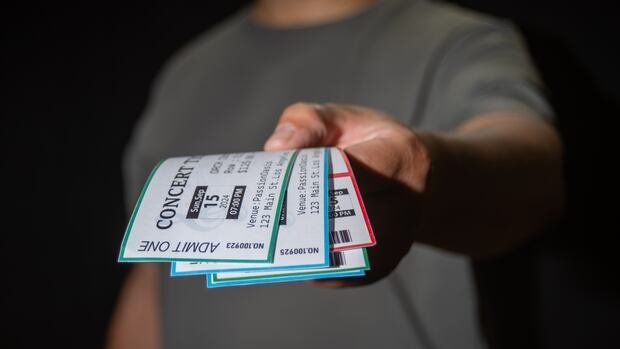

The U.K. government is taking steps to prevent inflated ticket resales for entertainment and sports events, aiming to tackle the issue of fans being priced out. The proposed legislation, announced recently, seeks to make it unlawful to resell tickets for various live events above their original face value. This move comes after a plea from musicians, including Coldplay and Dua Lipa, to address the problem of websites reselling concert tickets at exorbitant prices.
The government estimates that these measures could save British fans approximately £112 million annually and lead to an additional 900,000 tickets being bought directly from primary sellers each year. The secondary ticket market in the U.K. is primarily dominated by Viagogo and StubHub. Adam Webb from the Fan Fair Alliance in London highlights that the regulations could specifically target the illicit practices of scalpers who artificially inflate ticket prices.
The new rules are set to impact all ticket-selling platforms in the U.K., including social media channels like Facebook Marketplace. Businesses found violating these regulations could face financial penalties. Both small and large events are affected by ticket scalping, with scalpers sometimes listing tickets at unreasonably high prices. Despite the positive development, Webb emphasizes the need for the legislation to be enacted to truly make a difference.
In Canada, Vass Bednar from the Canadian Shield Institute praises the U.K.’s response to the issue, emphasizing the importance of addressing ticket pricing practices. She notes that Canada has been hesitant towards market interventions, despite challenges in the resale market. While Ticketmaster has pledged to combat scalping, there are concerns about potential underground ticket sales if regulations are imposed.
Webb encourages the public to push for the legislation’s inclusion in the upcoming parliamentary cycle to expedite progress. The delay in implementing these measures could perpetuate exploitation and drain funds from fans and the creative industry. Overall, the aim is to ensure fair access to events while preserving the cultural significance of shared experiences like sports games and concerts.