


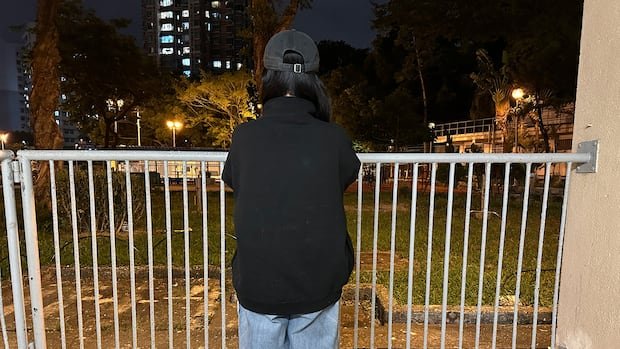

Three female law students at the University of Hong Kong recently exposed a distressing incident involving the creation of AI-generated pornographic images without consent. A male student’s ex-partner discovered over 700 photos, including these explicit images, on his laptop in February. The victims, referred to as L., B., and H., shared their ordeal anonymously with CBC. In response, the male student admitted to using social media screenshots of the students to produce the AI-generated explicit content.
The affected students decided to go public with their story in July by creating an Instagram account and detailing the incident. Despite the male student’s admission, the University of Hong Kong’s initial actions of requesting an apology letter and issuing a warning letter were deemed inadequate by the victims. The lack of closure has left them unsettled.
The case sheds light on a global challenge in combating AI-generated non-consensual porn. The victims refrained from filing a police report due to the absence of laws in Hong Kong criminalizing such actions. This loophole in legislation has raised concerns about the proliferation of AI-generated porn without consent.
However, other countries have taken steps to address this issue. Hong Kong passed laws in 2021 to criminalize the publication of intimate images without consent, but legal experts suggest the need for broader regulations. Canada and South Korea have also implemented laws to combat non-consensual deepfake porn, emphasizing the importance of protecting individuals’ privacy and dignity.
The prevalence of AI tools in creating explicit content without consent has raised alarm globally. Experts emphasize the role of social media platforms in curbing the spread of such content. Governments are urged to take decisive action to regulate and enforce laws to safeguard individuals from the harmful effects of AI-generated non-consensual porn.