




A groundbreaking new telescope, featuring the collaborative efforts of researchers from various Canadian institutions, is situated at an extraordinary elevation in Chile. Positioned over 5,600 meters above sea level in the arid Atacama Desert, the Fred Young Submillimeter Telescope offers an unparalleled view of the universe due to its lofty location, higher even than the Mount Everest base camp.
Scott Chapman, a Killam professor in astrophysics at Dalhousie University in Halifax, expressed the significance of this endeavor, noting that it provides a unique opportunity to unveil new insights into the cosmos.
The telescope, designed at such extreme heights to minimize atmospheric interference, is a joint project led by Cornell University’s CCAT Observatory in New York in collaboration with partners from Chile, Germany, and Canada. Canadian researchers from institutions like the University of Toronto, the University of Alberta, McGill University, and McMaster University are actively involved in the initiative.
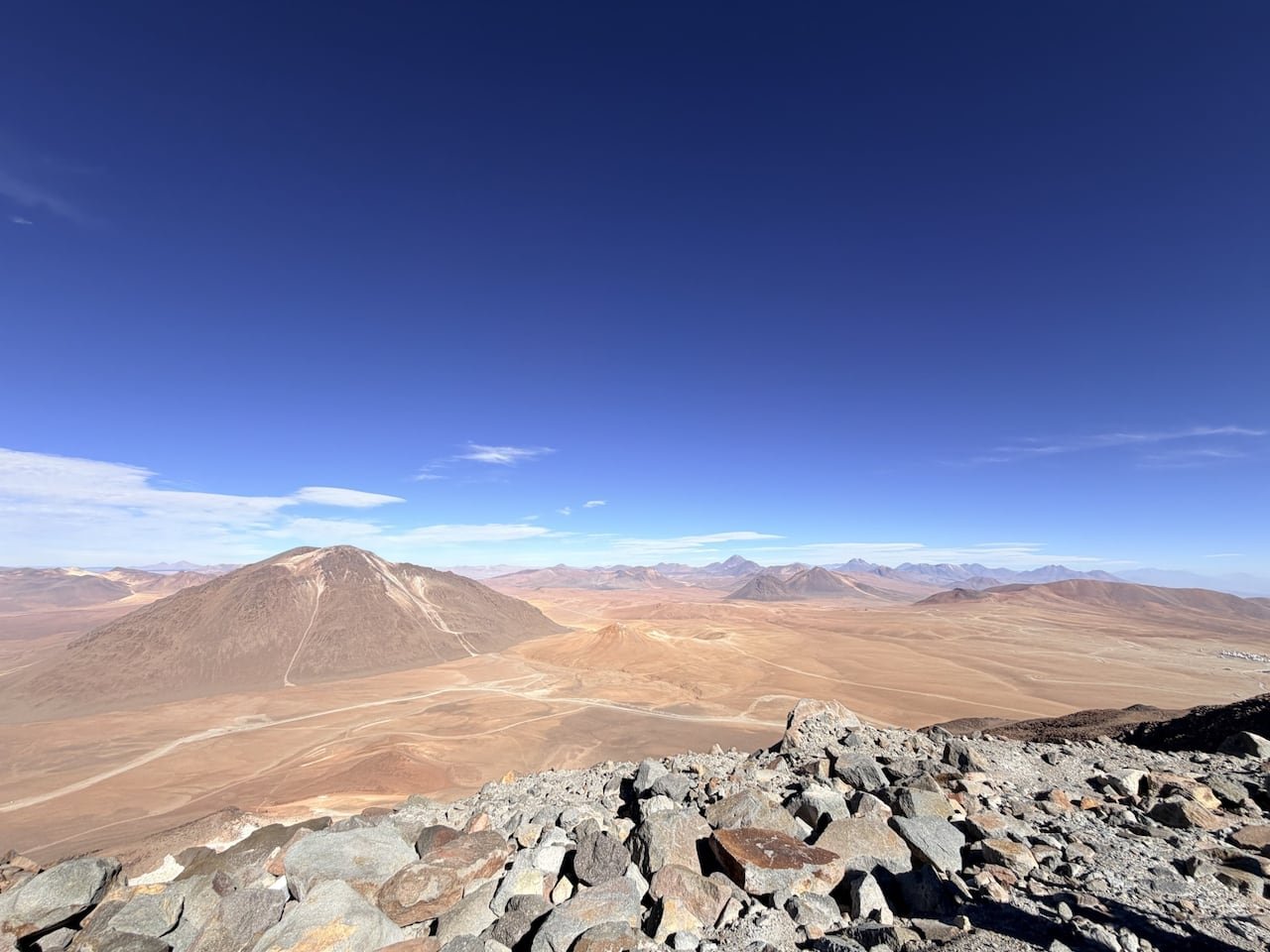
The Fred Young Submillimeter Telescope, perched at a breathtaking altitude in Chile’s Atacama Desert, is depicted in this provided image. (Margaret Chapman/Submitted/The Canadian Press)
The primary goal of the project is to shed light on the formation and dynamics of stars and galaxies, as well as to explore the mysteries surrounding dark energy and dark matter. Furthermore, the telescope is poised to offer a glimpse into the early stages of the universe’s evolution.
Mike Fich, the lead astronomer from the Canadian team at the University of Waterloo, emphasized the telescope’s unparalleled clarity, likening it to capabilities typically associated with space-based observatories but at a fraction of the cost.
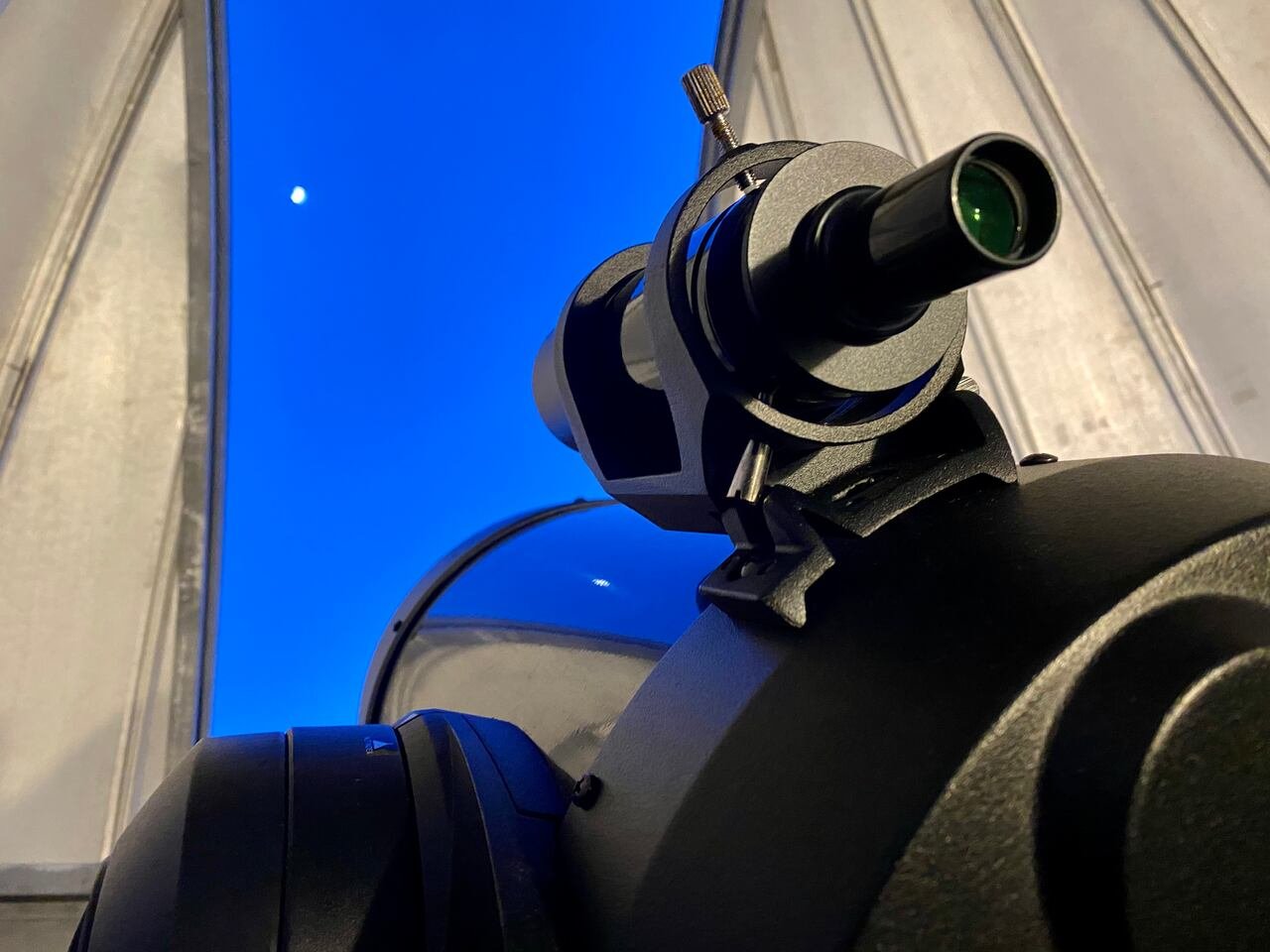
An image showcasing a Celestron CPC 1100 telescope with Schmidt-Cassegrain optics at the Earl L. Wonnacott Observatory in Charlottetown. (Jane Robertson/CBC)
The advanced technology incorporated into the telescope, including innovative camera systems developed by Chapman’s team, enables the observation of extremely cold entities in the universe. This cutting-edge approach allows for the detection of submillimeter wavelengths of light, uncovering previously invisible phenomena.
With a price tag of approximately $40 million, the telescope’s construction required meticulous planning and execution. The challenging environment demanded rigorous safety measures, with workers needing oxygen support due to the altitude.
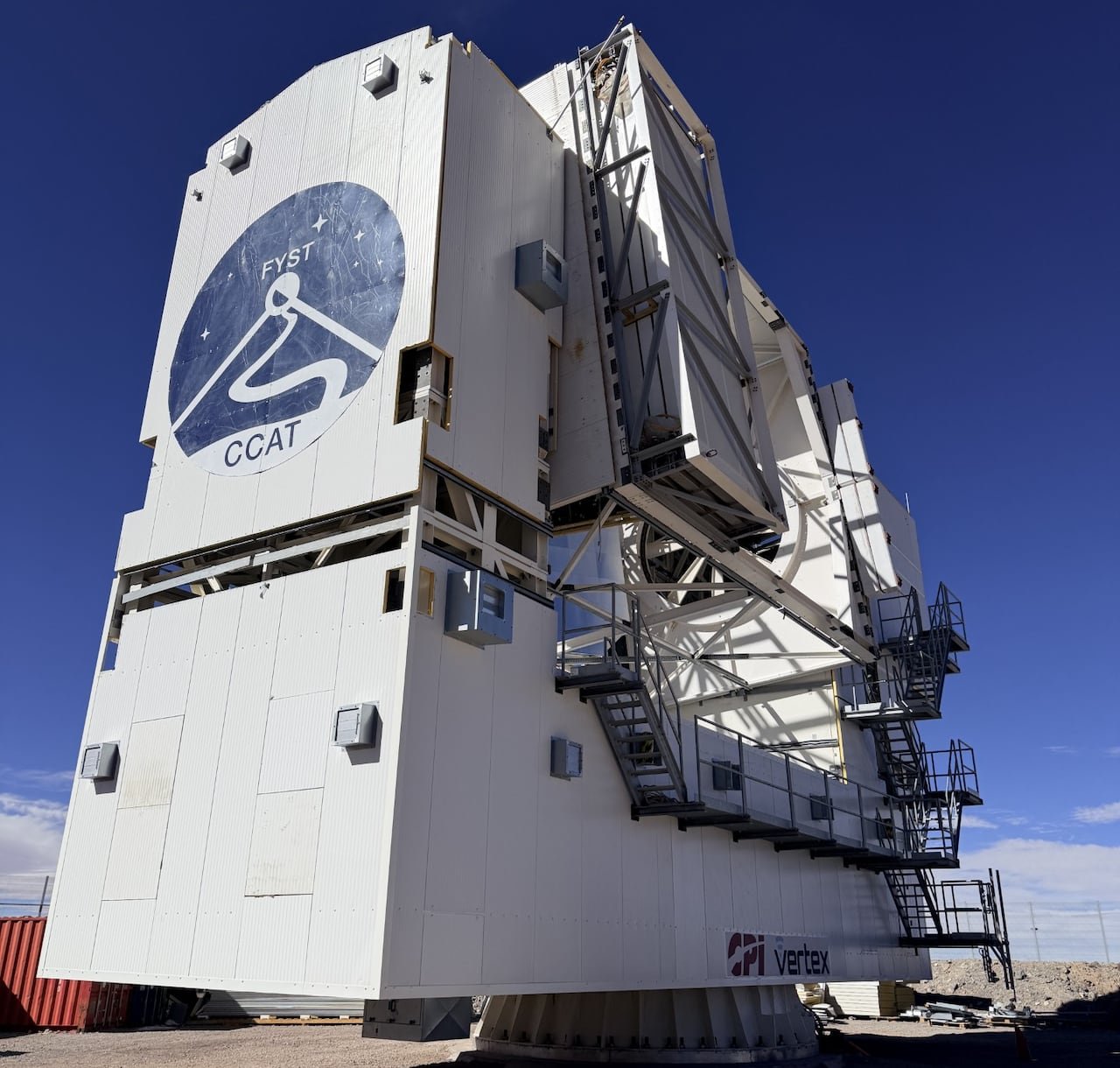
The Fred Young Submillimeter Telescope, captured in this provided image, is located at an exceptional elevation in Chile’s Atacama Desert. (Margaret Chapman/Submitted/The Canadian Press)
Chapman highlighted the immense data processing requirements of the project, with German partners establishing a dedicated computing center to manage the vast data influx. The telescope’s unique design allows for swift sky mapping, offering a comprehensive view of celestial bodies.
<p class="paragraph-b3