


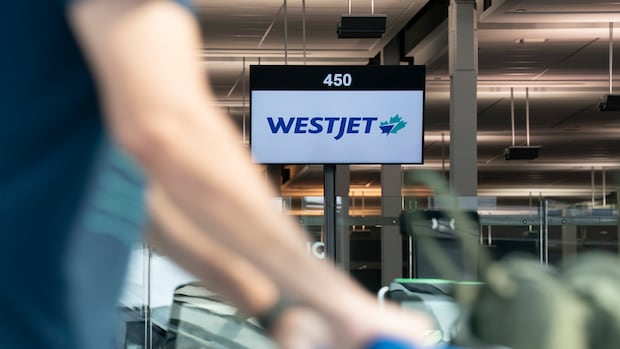

WestJet has started to ground its 737 aircraft throughout its operations as the potential strike by the airline’s flight attendants approaches.
The airline indicated that this action is intended to avert situations where passengers and aircraft are left stranded internationally.
In a statement on its website, WestJet explained, “This essential measure enables the airline to maintain operational oversight and safeguard the integrity of the larger network.”
Passengers are advised by the airline to verify their flight status before heading to the airport.
Amid the gradual suspension of flights, WestJet noted that it continues to negotiate with flight attendants in an effort to achieve a mutually agreeable contract.
On Thursday, WestJet’s flight attendants issued a 72-hour strike notice, prompting the airline to respond with its own 72-hour lockout warning. This means that approximately 4,287 flight attendants could be off duty as early as Sunday at 12:01 a.m. MT, coinciding with the busy August long weekend for domestic travel.
Although the strike notice does not obligate flight attendants to take action, it has created anxiety among travelers who are uncertain about the status of their flights this weekend.
WestJet confirmed that flights operated by WestJet Encore and codeshare flights with partner airlines will remain unaffected by this situation.

WestJet flight attendants have issued a 72-hour strike notice, raising the possibility of a walkout during the busy summer travel season. Bonnie Thompson says a cancelled trip could leave her out as much as $20,000 in prepaid expenses.
According to two emails reviewed by CBC News, WestJet stated that it had proposed what it considers to be the best agreement it can responsibly offer.
This includes what the airline describes as a union proposal for compensation before and after flights through duty premium payments, contributing to a cumulative wage increase of approximately 36 percent over four years.
The airline also mentioned offering enhancements to scheduling and improved provisions for travel and accommodation for flight attendants while they are away from home, as noted in one of the internal WestJet emails accessed by CBC News.
One email stated, “The proposal would have marked a significant advancement not just for WestJet Cabin Crew, but for the entire Canadian airline sector.”
CBC News reached out to CUPE Local 8125, known as the WestJet Component, for their perspective.
Union aims to avert strike
In response to the emails, CUPE WestJet Component President Alia Hussain remarked that WestJet’s communications reflect “a minor aspect of a much larger contract.”
“Our negotiations are not limited to a few points; we are pursuing a comprehensive contract that aligns with our members’ priorities,” Hussain indicated in an email.
She further noted that while some progress has been made in the negotiations, there remain issues that “must be addressed at the bargaining table.”
“We are optimistic that a strike can still be avoided and remain dedicated to resolving this matter there.”
WestJet declined to participate in an interview with CBC News, indicating that its leadership is concentrating on the negotiations.
A pivotal issue in the discussions has been ground pay.
-
Despite WestJet wind-down plans, a strike isn’t a sure bet, but the clock is ticking
-
Planning to fly WestJet? What you need to know about the looming strike
Flight attendants report that, on average, 35 hours per month go unpaid under WestJet’s current “credit hour” system. This pay structure compensates them for ground tasks, delays, and other necessary duties by awarding a fixed number of credit hours per flight, which may vary based on the trip.
WestJet asserts that the credit system is standard throughout the industry, claiming that flight attendants receive a higher rate of pay under this system to account for extra responsibilities during what they consider unpaid time.
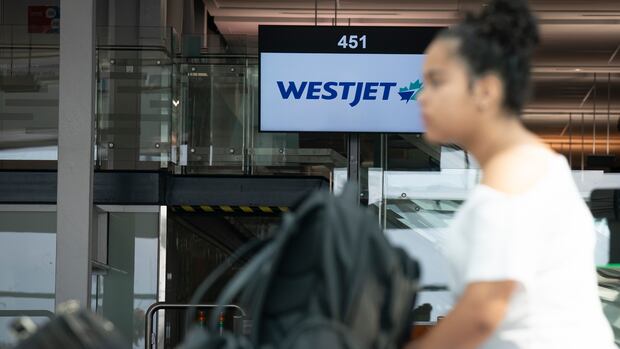
WestJet passengers are scrambling to make new arrangements after thousands of flight attendants issued a 72-hour strike notice, to which the airline responded with a lockout notice. Flight attendants could be off the job by Sunday if no new deal is reached.
Nevertheless, CEO Alexis von Hoensbroech acknowledged that WestJet understands the dissatisfaction among many employees regarding the existing pay structure and stated that they are open to making modifications as long as they are financially viable for the airline.
WestJet has assured that passengers who booked directly with the airline will be informed of any changes, while those who made reservations through third parties like travel agents should contact those agencies for modifications.
Passengers with flights scheduled between now and August 4 can still cancel or alter their bookings, although doing so might only provide them with a travel credit instead of a full refund.