


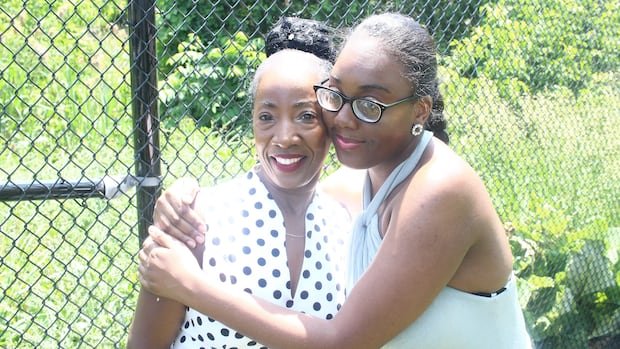

Growing up in a Jamaican household in Toronto, I sat down with my mom one day, mustering the courage to share my struggles with suicidal thoughts. Despite having all the material necessities like food, shelter, and clothing, my mom couldn’t comprehend why I, an 18-year-old with friends and a loving family, would feel depressed.
Reflecting on my upbringing, I realized that while my parents provided for my physical needs, emotional support and check-ins were lacking. The pressure to excel in school and seek external validation took a toll on me, leading to anxiety, difficulty concentrating, and overwhelming sadness.
One Sunday in mid-May, standing in the garage contemplating a bottle of antifreeze, I knew I needed help. However, instead of seeking immediate professional assistance, my family turned to prayer, a common response in the Black community during crises. Eventually, as my symptoms persisted, I was taken to the hospital, where I was diagnosed with major depressive disorder and prescribed antidepressants.
Receiving the diagnosis was a mix of relief and challenge, as it explained my struggles but also exposed me to the stigma surrounding mental illness in the Jamaican community. Facing misconceptions and blame from some family members further highlighted the need for open conversations and education about mental health.
Through therapy, medication, and support, I have made significant progress in managing my mental health. While there have been setbacks, I have learned the importance of professional help alongside prayer for comfort. By sharing my story and engaging in mental health advocacy, I aim to break the silence and stigma surrounding mental health in my community.
Today, at 30, I continue to educate myself and others about mental health, emphasizing the significance of open dialogue and support. Despite initial hesitations, my mom now actively encourages and supports my mental health journey, underscoring the importance of ongoing communication and understanding within families.
My experience underscores the essential role of mental health conversations within cultural and faith contexts, emphasizing that healing begins with open and supportive discussions. If you or someone you know is struggling, seeking professional help is crucial, and resources like the Suicide Crisis Helpline and Kids Help Phone are available for support.
In sharing my journey, I hope to inspire others to prioritize mental health and foster a more compassionate and informed approach to mental well-being within our communities.