


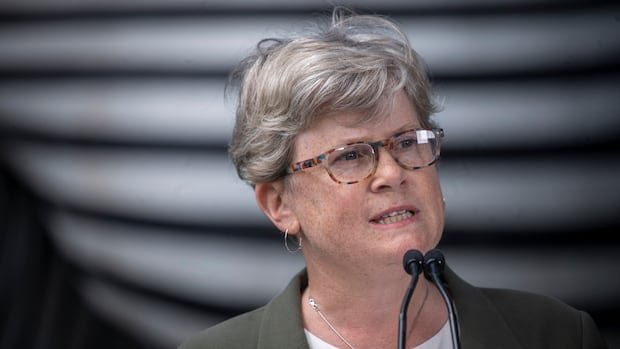

British Columbia has decided to discontinue its drug decriminalization initiative, as stated by Health Minister Josie Osborne in Victoria. The three-year pilot program, which permitted individuals to possess small quantities of illegal drugs, commenced on January 31, 2023, and will conclude at the end of the current month.
The initiative was a response to the toxic drug crisis in British Columbia, which has resulted in numerous fatalities since a public health emergency was declared in 2016. Advocates and policymakers argued that decriminalizing drug use would reduce stigma, treat the crisis as a health concern rather than a criminal issue, and encourage individuals to seek assistance.
However, Minister Osborne expressed disappointment, stating that the pilot program did not achieve the anticipated outcomes. She mentioned, “At the end of the three-year pilot, it is challenging, if not impossible, to directly attribute specific changes [in care access] to decriminalization.”
The project was part of a federal pilot program, with British Columbia receiving an exemption from the Controlled Drugs and Substances Act on May 31, 2022. This exemption allowed individuals aged 18 and above to possess limited amounts of cocaine, methamphetamine, MDMA, and opioids.
Professor Kora DeBeck from Simon Fraser University criticized the province’s decision to terminate the drug decriminalization pilot, emphasizing the importance of evidence-based policies in addressing the ongoing toxic drug crisis.
While acknowledging the end of the project, DeBeck noted similarities with a previous rollback in April 2024. Premier David Eby had announced adjustments to the pilot rules to recriminalize drug use in public spaces following concerns raised by various municipalities regarding open drug use and safety.
Despite the decision to end decriminalization, Osborne reaffirmed the province’s commitment to exploring all options to save lives and connect individuals to care using evidence-based tools. Osborne highlighted the opening of more than 760 new beds supporting people with addictions since 2017.
Additionally, Osborne announced the expansion of Access Central, a phone line service facilitating access to certified health providers and comprehensive care. The service, which is already operational in several regions, aims to streamline the process of connecting individuals to necessary support services.
Registered nurse Kim Keates praised Access Central for its positive impact, emphasizing the importance of providing swift and effective assistance to those in need. However, DeBeck highlighted the need for broader strategies to address addiction and reduce fatalities associated with street disorder.