


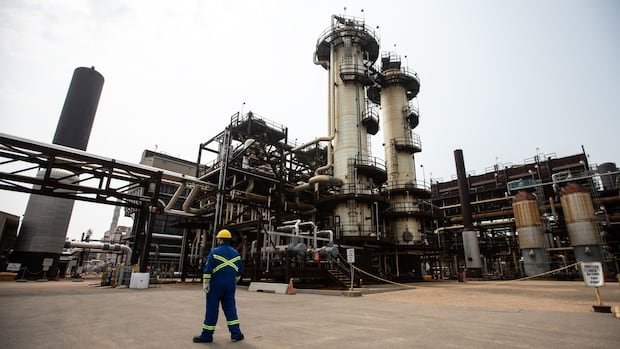

Leaders in the Canadian oil and gas industry are raising concerns about the impact of an industrial carbon levy on the country’s competitive position in the global energy market. Lisa Baiton, head of the Canadian Association of Petroleum Producers, emphasized that Canada stands out by imposing an industrial carbon tax while other major oil-producing nations do not follow this practice.
The ongoing conflicts in the Middle East have underscored the importance of Canada’s vast oil and gas reserves in ensuring global energy security. Baiton stressed that instead of capitalizing on this opportunity, Canada is focusing on policies that increase costs and reduce competitiveness.
Against this backdrop, the 2026 BMO CAPP Energy Symposium commenced in Toronto, highlighting the pressing need for Canada to expedite the development of oil and gas export infrastructure to diversify its markets beyond the traditional reliance on the United States.
Alberta is set to submit an application for a new West Coast crude oil pipeline to the federal major projects office this summer, aiming to accelerate infrastructure projects deemed vital to national interests. The province has also entered into a significant agreement with the federal government, including plans for a new British Columbia pipeline alongside an industrial carbon pricing mechanism to support initiatives like the Pathways carbon capture project.
Despite these developments, specific details regarding the carbon pricing and Pathways components remain unresolved, delaying progress beyond the initial April 1 deadline stipulated in the energy agreement. Under the memorandum of understanding, Alberta’s industrial carbon price is expected to increase to $130 per tonne from the current $95, pending ongoing negotiations.
Various analyses have indicated that oilsands producers could potentially offset the additional carbon costs through increased export opportunities to Asia facilitated by new pipelines. Additionally, studies have shown that the impact of higher carbon prices on per-barrel costs is relatively modest.
However, Cenovus Energy CEO Jon McKenzie, who chairs CAPP’s board of directors, argued that imposing a carbon levy would not incentivize industry decarbonization but rather render Canadian producers less competitive globally. Other industry voices echoed concerns about the challenges of further emissions reductions and the cumulative impact of rising carbon prices on operational costs.
Amidst these debates, experts like Mike Verney from McDaniel & Associates highlighted Canada’s strategic advantage as an attractive global energy supplier in light of geopolitical disruptions and changing production dynamics worldwide. Canada’s significant oil reserves and potential for commercial viability at higher oil prices position the country favorably in the global energy landscape.
Nevertheless, there are lingering doubts about the feasibility and competitiveness of new pipeline projects due to regulatory delays and logistical constraints, raising questions about Canada’s ability to capitalize on its energy potential in a rapidly evolving global market.