


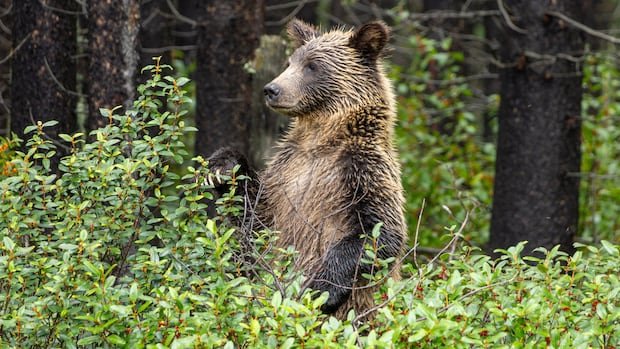

Conservation groups are disputing recent calls by the Alberta government to reinstate the grizzly bear hunting season, which has been inactive for two decades, arguing that these demands lack scientific justification. The Rural Municipalities of Alberta (RMA) recently passed a policy resolution urging the provincial government to implement a regulated grizzly bear hunt through a draw system. However, due to the absence of recent grizzly bear population studies, conservationists are emphasizing the necessity of a science-based approach to grizzly bear management.
The Alberta Wildlife Federation has indicated potential support for a “limited harvest” of grizzly bears if it is deemed necessary within a comprehensive management plan. They emphasize that any regulated hunt must be founded on robust scientific data to maintain the grizzly bear population while addressing human safety and property protection needs.
The RMA’s call for a grizzly bear hunt stems from reported increases in human-bear interactions in southwestern Alberta, notably incidents like a fisherman being injured by a grizzly near Cardston last summer. The majority of RMA’s membership, consisting of over 60 rural Alberta counties and municipal districts, voted in favor of this resolution.
The Alberta Ministry of Forestry and Parks, in response to inquiries, emphasized that their management strategies are science-driven and aim to ensure public safety, minimize conflicts, and sustain viable grizzly bear populations. With concerns raised about the lack of up-to-date population studies, conservation specialists stress the importance of data-driven decisions when it comes to managing grizzly bear populations.
Grizzly bears in Alberta were declared a threatened species in 2010 due to a population estimate of fewer than 1,000 mature adults. While the province reported a population increase to over 1,150 in 2024, hunting grizzly bears has been prohibited in Alberta since 2006, with exceptions for Indigenous subsistence hunting and approved cases of “problem” grizzly bear control.
The Exposed Wildlife Conservancy and other wildlife advocates emphasize the need for sound scientific evidence to guide management decisions regarding grizzly bears, given their threatened status in Alberta. They advocate for non-lethal approaches, increased funding for research, and community safety initiatives to address human-bear conflicts effectively.
The lack of recent grizzly bear population studies is attributed to financial constraints and resource allocation issues, according to experts. Calls for continued monitoring and investment in research are being made to ensure informed and effective grizzly bear management practices in the province.