


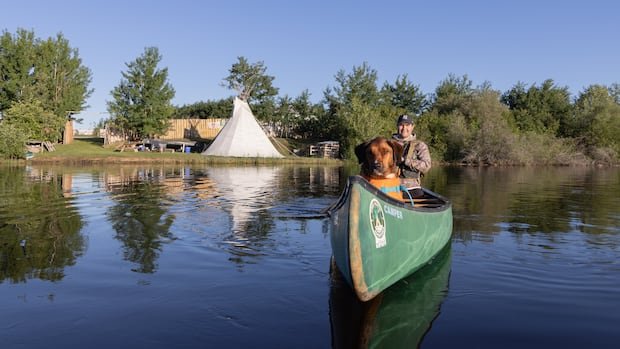

Blaine Mirasty, a Cree individual from Flying Dust First Nation in Saskatchewan now residing in Edmonton, recounts his childhood experiences and cultural journey. He vividly recalls his father teaching him essential skills like setting snares, identifying animal tracks, and respecting the land when harvesting a rabbit. These early lessons in hunting and traditional practices shaped his deep appreciation for native food, emphasizing the importance of personal involvement in the harvesting process.
Growing up, Blaine faced discrimination and prejudice due to his Indigenous heritage, a common experience among his peers. Despite these challenges, he maintained a positive outlook and strived to overcome obstacles by working twice as hard to achieve equal opportunities. A pivotal moment in his life was studying abroad in Norway, where he proudly shared his cultural roots and engaged with people from diverse backgrounds, fostering mutual learning and understanding.
In 2019, Blaine embarked on a new venture by purchasing a tipi and establishing Cree North Adventures on his family’s land in Saskatchewan. Rejecting the idea of a luxury resort, he aimed to offer guests an authentic experience rooted in his traditions. Through his business, Blaine and his family share stories, traditional knowledge, and cultural practices with visitors, creating a meaningful and immersive experience centered on Plains Cree and Woodland Cree perspectives.
The rise of Indigenous tourism businesses across Canada, now numbering close to 3,000, reflects a growing interest in supporting economic sovereignty and cultural preservation within Indigenous communities. By choosing to engage with these enterprises, travelers contribute to the empowerment and self-determination of Indigenous peoples. Blaine’s work goes beyond business growth, embodying the values of connection, reciprocity, and education passed down through generations—a commitment to preserving the essence of “Miyo-pimatisiwin,” or “the good life.”
In the wake of increased awareness and actions towards reconciliation following significant historical events like the Truth and Reconciliation Commission’s Calls to Action and the discovery of unmarked graves at former residential schools, Blaine observes a positive shift in attitudes and support for Indigenous cultures. As he continues his journey of cultural preservation and community engagement through Cree North Adventures, he remains dedicated to upholding the principles of “Miyo-pimatisiwin” and fostering understanding and appreciation for Indigenous ways of life.
If you need help or want to share your story to promote understanding and help others, you can contact sask-first-person-grp@cbc.ca. Remember, support is available through the national Indian Residential School Crisis Line at 1-866-925-4419 and the Hope for Wellness hotline at 1-855-242-3310, offering mental health counseling and crisis support services 24/7.