


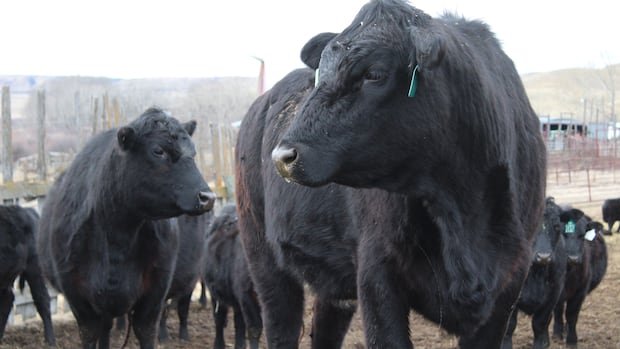

The University of Saskatchewan has developed an innovative solution that could potentially reduce the length of the calving season for beef producers. Cetrorelix, a hormone drug commonly used in human in vitro fertilization (IVF), has shown promising results in cattle, thanks to the research conducted by Jaswant Singh, a doctor of veterinary medicine at the university’s Western College of Veterinary Medicine, along with graduate students Dylan Farmer and Carlos Leonardi.
This drug acts as an ovulation synchronization method, facilitating a more efficient and synchronized pregnancy process in cows. By shortening the calving period, which could lead to a reduction in labor costs and improved animal management, farmers may benefit from higher weaning weights and increased profitability.
Garner Deobald, a beef rancher and marketing manager at BoviGen Genetic Services, expressed enthusiasm about the potential of Cetrorelix in enhancing cattle breeding practices. He highlighted the importance of incorporating new tools like Cetrorelix if proven effective, as it could offer benefits such as improved genetic selection and more accurate calf predictions.
As a result of this drug’s development, artificial insemination could become a preferred breeding method over traditional approaches, leading to advancements in genetics and better breeding outcomes. Singh mentioned that the university has applied for a patent on the drug and is collaborating with pharmaceutical companies to bring it to market.
Overall, the prospects for Cetrorelix in cattle breeding look promising, with potential benefits not only for Saskatchewan farmers but also for livestock producers worldwide. The regulatory process for the drug is progressing well, and researchers are focused on refining its application in animals to make it widely accessible and cost-effective.