


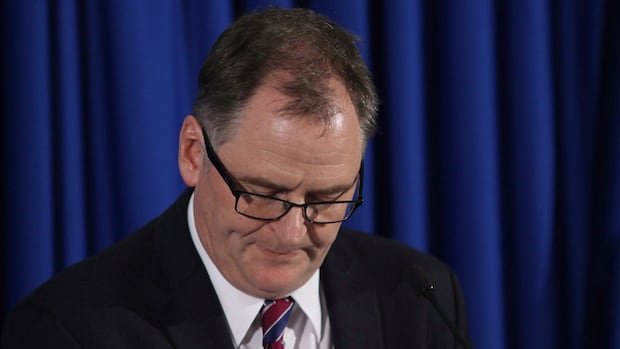

The B.C. Ombudsperson has issued a report revealing that necessary forms authorizing the use of involuntary care for mental health conditions were not completed in numerous instances throughout the province. Ombudsperson Jay Chalke’s recent report, published on Monday, serves as a follow-up to his 2019 findings that underscored deficiencies in safeguards for patients involuntarily detained under the Mental Health Act.
According to Chalke’s report from an audit conducted in 2024, many health authorities failed to complete the mandatory consent forms for their patients in almost half of all cases. As British Columbia aims to broaden the utilization and application of involuntary care, particularly for individuals with mental health issues and addictions, Chalke’s report emphasizes the necessity for further efforts to uphold patients’ rights.
“This is a fundamental issue affecting everyone’s liberty interests,” Chalke informed CBC News. “It involves the right to confine someone in a secure facility. Therefore, it is imperative that facilities adhere to the requirements outlined in the Mental Health Act to safeguard our civil rights.”
In the fiscal year 2024-25, Chalke’s report indicated that there were 15,580 distinct patients admitted involuntarily and nearly 21,400 hospitalizations. While acknowledging the progress made by health authorities in completing the requisite forms since his initial report in 2019, Chalke highlighted that there is still significant room for improvement to ensure strict adherence to the Mental Health Act in every case involving the deprivation of someone’s liberty.
Health Minister Josie Osborne in British Columbia stated in a separate press briefing on Monday that there had been substantial advancements in completing the mandated involuntary care consent forms across the province. However, she emphasized the ongoing need for continuous efforts to ensure the thorough and prompt completion of these forms by directing health authorities to prioritize this task.
Chalke’s report also pointed out the absence of a system where an independent rights adviser automatically engages with individuals involuntarily detained, as the current process only allows for engagement upon the patient’s request. The report further stressed the importance of strengthening safeguards rather than diminishing or neglecting them, especially as the province expands involuntary care services and facilities.
In a related development, B.C. patients arriving at a healthcare facility and deemed to have a mental health disorder necessitating treatment can be admitted involuntarily if a healthcare professional deems it necessary, as outlined in the Mental Health Act. The Act specifies that the director of a designated involuntary care facility can admit and detain individuals for up to 48 hours for assessment and treatment.