


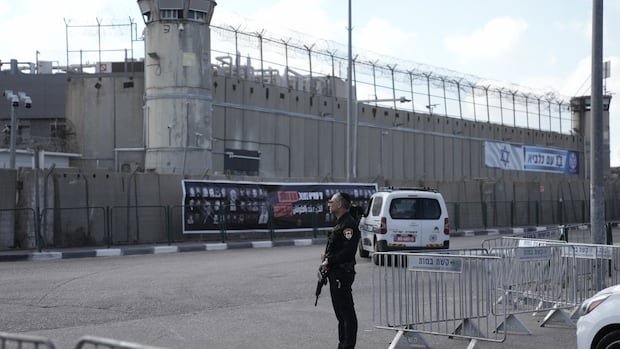

The death toll of Palestinians in Israeli custody has risen to nearly 100 individuals since the Gaza conflict began, as reported by a human rights organization on Monday. The group, Physicians for Human Rights – Israel (PHRI), highlighted a pattern of systematic violence and lack of medical attention in prisons and detention centers that were linked to many of the fatalities. PHRI’s findings align with The Associated Press’ investigations, which included interviews, data analysis, and autopsy reports review.
PHRI’s report documented 98 prisoner deaths since the outbreak of the conflict on October 7, 2023, with 27 fatalities in 2023, 50 in 2024, and 21 in the current year, the latest occurring on November 2. The actual death toll could be higher as Israel has not disclosed information on hundreds of detained Palestinians during the conflict.
Before the conflict, fewer than 30 Palestinian prisoners died in Israeli custody over a decade, but this number sharply escalated during the conflict, coinciding with a significant increase in the prison population to 11,000 individuals. PHRI data reveals a notable rise in the number of prisoner deaths during this period.
PHRI’s investigation involved interviews with former detainees and medical staff, examination of autopsy reports by independent doctors, and confirmation of deaths through freedom of information requests. The director of PHRI, Naji Abbas, expressed concern over the alarming rate of deaths, describing the situation as a system lacking ethical and professional boundaries.
Israel’s Prison Service maintained that its operations comply with the law and declined to comment on the death toll, redirecting inquiries to the military. The military acknowledged detainee deaths, citing pre-existing conditions or combat injuries as causes. Allegations of mistreatment or poor conditions are investigated, with violators facing consequences, including possible criminal probes.
A former guard at the Sde Teiman military prison in southern Israel described the facility as a “graveyard” due to the high number of prisoner deaths. The guard admitted to participating in beatings of prisoners and recalled instances of neglect and abuse within the prison. The installation of cameras eventually helped to curb the mistreatment, according to the guard.
PHRI’s data indicated 29 deaths at Sde Teiman since the conflict started. While the Israeli army cited accountability in cases of abuse, lawyers representing prisoners criticized the lack of thorough investigations into reported violence, exacerbating the issue.
The resignation of Israel’s top military lawyer following a leaked video of alleged abuse at Sde Teiman underscored the ongoing scrutiny of the treatment of Palestinian detainees. Several soldiers have been indicted in connection with the case, which remains pending in military court.
Instances of physical abuse and neglect were highlighted in reports from autopsies attended by doctors at the families’ request. One such report detailed the death of a 45-year-old man, Mohammad Husein Ali, at the Kishon detention center, indicating signs of physical assault and possible excessive use of restraints. Ali’s family claimed he was healthy before his arrest and subsequent death within a week of imprisonment.
Husein Ali’s family emphasized his innocence of militant ties at the time of his arrest, recalling the emotional toll on his young daughter who awaited his return. The family’s account shed light on the personal impact of the deaths in Israeli custody.