


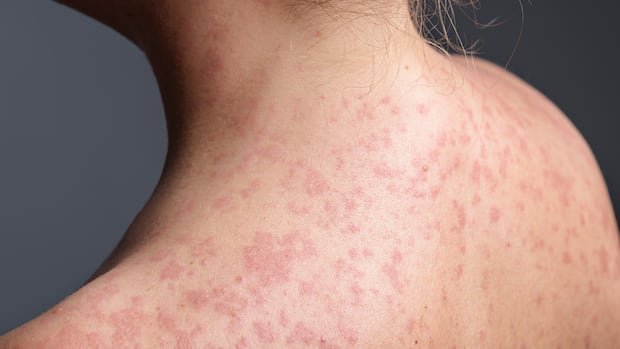

It has been a year since the initial measles cases surfaced in Manitoba, marking the start of an ongoing outbreak that shows no signs of abating, according to Dr. Davinder Singh, a medical officer of health with Southern Health. Since February of the previous year, Manitoba has recorded 371 confirmed and 32 probable cases of measles as of the latest available data on January 24.
Contrary to 2024 when Manitoba had no reported measles cases, the outbreak was officially declared on February 4, 2025, with the first five cases. The numbers peaked in May with 72 infections, dropped to 23 cases in October, and have now surged again with 51 confirmed cases reported in the new year.
Dr. Singh emphasized the critical need for immunization to halt the outbreak swiftly, pointing out that Southern Health has a notably low measles vaccination rate compared to other parts of the province. The majority of patients contracting the virus are from areas with the lowest immunization rates, further complicating efforts to contain the spread.
Despite ongoing vaccination promotion efforts by health officials, including extensive outreach during the past year, challenges persist due to vaccine safety concerns and misconceptions about the severity of measles. The data shows that a significant portion of measles cases in Manitoba—85.6%—are in unvaccinated individuals, while only a small percentage have received one or more doses of the vaccine.
Singh stressed that the measles vaccine is highly safe, with minimal risks, but misinformation remains prevalent. Health authorities are collaborating with educators and primary care providers to dispel myths and provide accurate information about vaccines to the public.
The increasing measles cases are not only straining healthcare facilities but also causing unnecessary suffering and hospitalizations. Singh expressed concern about the impact on children, as the data revealed that most hospitalized cases were children under 10 years old, emphasizing the vulnerability of this age group to severe complications from measles.
Efforts to boost immunization rates, including extending eligibility to infants as young as six months, have been implemented in Southern Health. However, Michelle Driedger, a public health specialist at the University of Manitoba, highlighted the importance of personalized conversations between healthcare providers and patients in addressing vaccine hesitancy effectively.
Kyle Penner, co-pastor of Grace Mennonite Church in Steinbach, shared insights on dealing with vaccine hesitancy within the community, stressing the need for respectful dialogue and understanding among individuals with differing views on immunization. Penner emphasized the importance of fostering a supportive and non-judgmental environment to encourage open discussions about measles vaccination.
Overall, the collective efforts of health officials, educators, and community leaders are essential in combating the ongoing measles outbreak and promoting immunization to protect public health in Manitoba.