


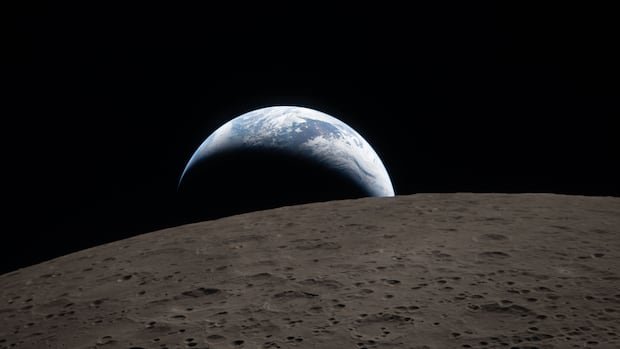

NASA is embarking on a new moon mission, often referred to as a “moonshot,” aiming to land astronauts on the lunar surface by early 2028. Despite having contracted lunar landers to companies like Blue Origin and SpaceX, the completion of a functional lunar lander remains pending. SpaceX’s Starship rocket, essential for the mission, is still undergoing testing and development.
NASA’s history of project delays raises concerns about meeting the tight 2028 deadline. The Artemis II mission in 2023 showcased NASA’s struggles with delays and cost overruns, casting doubt on the feasibility of the upcoming lunar landing. Experts like space launch historian Paul Fjeld and professor Philip Stooke express skepticism about NASA’s timeline given the current status of the lunar landers.
Recent setbacks, such as the failure of Blue Origin’s New Glenn rocket, further complicate NASA’s mission timeline. With critical components like the new spacesuits also facing delays, the path to a successful lunar landing appears challenging. The need for in-space refueling adds another layer of complexity, with both Blue Origin and SpaceX landers requiring refueling before reaching the moon.
The U.S. Office of the Inspector General’s critical report on the Artemis program highlighted concerns about the human landing systems’ design and safety features. The need for extensive testing, including ship-to-ship fuel transfer, raises doubts about NASA’s ability to achieve its ambitious goal within the given timeframe. The race against China, which aims for a lunar landing by 2032, adds pressure on NASA to deliver promptly.
Given the myriad challenges and uncertainties surrounding the mission, achieving a successful lunar landing by 2028 seems increasingly unlikely. The competition with China further underscores the importance of NASA’s timely and efficient execution of its moonshot endeavor.