



A Victoria-based company has developed innovative technology capable of detecting marine mammals and is currently testing it on a new electric passenger ferry. Founded by Glenn Jones, Reach Technologies Inc. transitioned from aerospace to marine detection in recent years. The company is initiating trials with the Department of National Defence.
The core of their invention is a unique multispectral camera that offers 360-degree rotation, enabling real-time identification of objects, debris, individuals, and wildlife. The system can swiftly spot marine mammals as soon as they surface, providing crucial safety measures.
According to Jones, the specialized technology, priced at up to $600,000, is unmatched globally. The Maritime Situational Awareness System, overseen by eight engineers, is a groundbreaking advancement in the field.
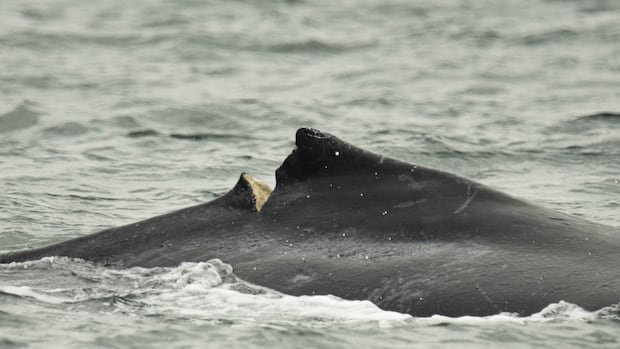
In past incidents, humpback whales were tragically struck and killed by vessels in British Columbia waters, prompting concerns for marine life safety. Jackie Hildering from the Marine Education and Research Society highlighted the vulnerability of humpback whales to such accidents, especially in areas like Bowen Island and Gibsons.
CIRQL Ferries plans to introduce two electric ferries by 2028, integrating the detection technology to safeguard against collisions in high-risk zones. The initiative aims to prevent incidents like the fatal whale strike that occurred in 2025. Anna Hall, a Marine Mammal Zoologist, emphasized the importance of early mammal detection to reduce vessel strikes.
Experts warn that even slower vessels pose significant risks to marine life. Sean Brillant, a senior conservation biologist, stressed the necessity of avoiding whale-vessel intersections and implementing preventive measures such as restricted areas and advanced detection systems.
The Canadian Wildlife Federation and Transport Canada support whale protection efforts through mandatory training for commercial vessel operators. Darren Pereira, CIRQL co-founder, highlighted the importance of ocean stewardship and emphasized the benefits of electric ferries in reducing underwater noise pollution.
Despite the positive impact of quieter vessels, concerns remain about the increased risk of strikes. Hildering cautioned that the new ferries could potentially heighten collision risks if not managed properly. Experts encourage operators to collaborate with specialists to develop effective marine mammal mitigation strategies.
Overall, the integration of innovative technology and responsible operational practices is crucial in ensuring marine mammal safety amidst rising vessel traffic.