


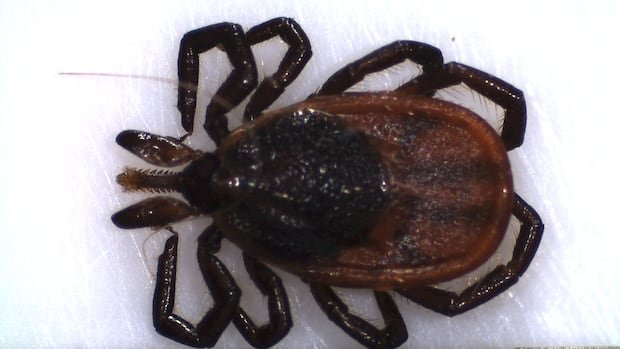

Nova Scotia’s snowy winter may not lead to fewer ticks this year, as deep snow can actually provide insulation for the insects, according to tick researchers. The snow cover acts as protection, allowing ticks to survive the cold temperatures. Despite some chilly periods in December and January, the sustained cold that can kill ticks came after the snow had already arrived in Nova Scotia.
Ticks typically seek shelter under leaf litter during winter and can go without food for months. They slow down their metabolism in cold weather, making them less active. Ticks can survive in temperatures as low as 0 C to –5 C for weeks or even months. Sudden temperature fluctuations or consistent temperatures below –10 C without protective coverings like snow or leaf litter can cause mortality by damaging their tissues or forming ice inside their bodies.
Research from St. Francis Xavier University’s biology department suggests that ticks can freeze at temperatures below –15 C, especially in controlled lab settings. However, the speed at which the temperature drops plays a role in their survival, as they adapt better to gradual changes. Despite extreme cold snaps in the past, such as –27 C temperatures in Nova Scotia, the tick population has not significantly decreased.
Experts believe that this year’s tick season will be similar to previous years due to the resilient tick population. The insects are adept at surviving cold weather and can withstand extreme low temperatures. While the snowy winter in Nova Scotia might not hinder tick populations, it may actually support their survival.