


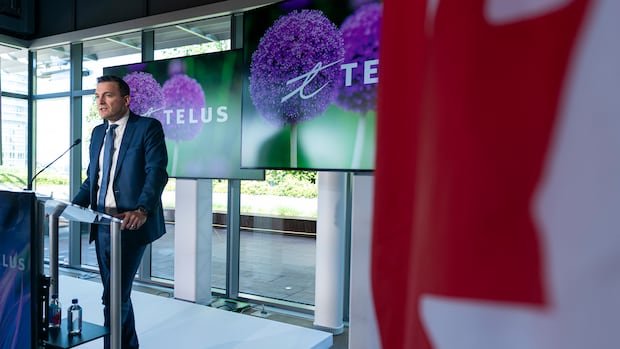

A new data center cluster is set to be established in Vancouver and Kamloops through a strategic partnership between Telus and the Canadian government. The announcement was made by AI Minister Evan Solomon in Vancouver, emphasizing the project’s significance in enhancing Canada’s “sovereign compute capacity” and supporting local competitiveness in the global AI economy.
The initiative, known as the Enabling large-scale sovereign AI data centers, will involve the expansion of Telus’s existing facility in Kamloops and the construction of two new data centers in Vancouver. These developments aim to provide Canadian innovators, researchers, and businesses with essential computing resources while safeguarding Canadian data, intellectual property, and economic interests within the country.
Telus has revealed that the Kamloops project and the first Vancouver site, situated at the former Hootsuite headquarters in Mount Pleasant, are slated to become operational later this year. Additionally, a second facility at 150 West Georgia Street is planned for completion in 2029, with the project’s power capacity projected to increase from 85 to 150 megawatts by 2032.
Telus President and CEO, Darren Entwistle, praised the project as an environmentally friendly endeavor, highlighting that the data centers will run on 98% clean hydro power and recycle waste energy to heat approximately 150,000 homes. Moreover, the facilities are expected to utilize 90% less water compared to traditional data centers, with plans underway to incorporate recycled water from B.C. Place stadium.
The project has garnered support from the British Columbia government, which introduced its own AI data center power policy earlier this year. The policy mandates companies to compete for a limited electricity allocation of 400 megawatts over two years, with a preference for projects promoting data sovereignty, environmental sustainability, and First Nations involvement.
While political leaders have lauded the new data center proposal, there has been opposition to similar projects in certain regions. Concerns have been raised about the environmental impact of a planned data center in Nanaimo, with critics advocating for a more rigorous regulatory framework before further development proceeds.
These developments reflect the mounting tension between the need for increased computing power and the imperative to uphold environmental standards in the technology industry. As data centers continue to expand to meet the demands of AI applications, the debate over their ecological footprint and resource consumption intensifies.