


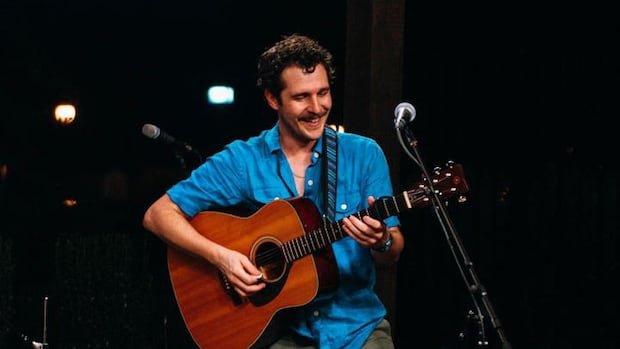

When the United States and Israel initiated attacks on Iran at the end of the previous month, musician and songwriter Joseph Terrell found himself consumed by the conflict. This intense contemplation led him to craft song lyrics, feeling compelled to express his thoughts through music.
Residing in North Carolina, Terrell reflected on the prevalent American notion of being heroic conquerors, a theme he explored in his song “Cowboy Movie.” The track delves into the origins of such myths and the realization that the portrayed heroes may not always be on the virtuous side.
Terrell clarified that his composition, unlike politicians, deliberately remains broad to encompass various figures who align with the song’s themes. However, it draws attention to specific incidents such as the tragic bombing of a girls’ school in Iran during the conflict, which tragically claimed the lives of 165 individuals, predominantly children. Although no nation has claimed responsibility for the bombing, preliminary investigations reported by the New York Times suggested U.S. involvement.
Terrell’s method of sharing snippets of his songs on platforms like TikTok, including politically charged pieces like his popular composition addressing Renee Good’s unfortunate demise at the hands of Immigration and Customs Enforcement officers, has garnered substantial online attention.
The resurgence of politically charged folk music has found a new home among a digital audience, reinvigorating a genre deeply rooted in political activism. This revival, as explained by Noriko Manabe, a music theory professor at Indiana University, has been bolstered by the genre’s simplicity, resonating with audiences in today’s tech-driven era.
In contrast to the commercialization of folk music in the late 1960s, the current wave of singer-songwriter folk music has reemerged as a potent political force, potentially fueled by the popularity of country music. This renewed wave features hyper-specific lyrics directly targeting politicians and administrations, often shared swiftly online following significant news events, facilitating their resonance on social media platforms.
Jesse Welles, a prominent figure in this movement, has amassed a substantial following through his pointed musical critiques on various topics such as the Gaza conflict, immigration enforcement, and the Department of War. Welles’ rapid releases of tracks, like “Tylenol” and “Charlie,” within days of the events that inspired them, exemplify the timeliness and responsiveness characteristic of this new age of protest folk music.
The evolving nature of protest folk music contrasts with its historical roots, dating back to the Civil War era, when songs like “John Brown’s Body” served as anthems for troops. While past folk activists incorporated political messages into their music, the current wave exhibits a more direct approach by naming specific politicians and administrations in their lyrics, reflecting a shift towards a more responsive and contemporary style.
Despite the prevalence of online platforms for sharing protest music, the longevity of this movement may hinge on transitioning into real-world engagement. By moving beyond virtual spaces to physically interact with audiences, these musicians can potentially amplify their impact and foster meaningful connections with their supporters.
Folk artists like Olive Klug have embraced this call to action, engaging audiences in interactive performances that resonate with contemporary social issues. Through their music, these artists aim not only to inspire but also to effect tangible change by encouraging audience participation and activism.