


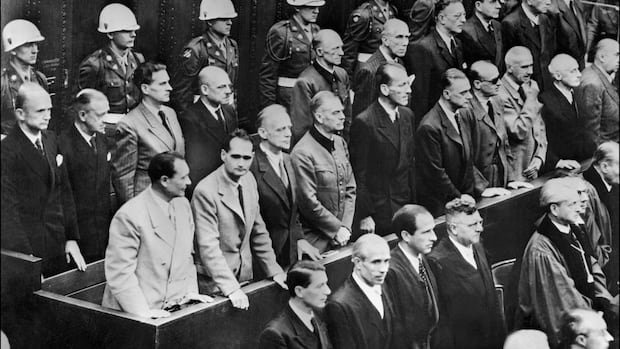

Eighty years after the commencement of the Nazi Germany leaders’ war crimes trials, the complete set of documents from the Nuremberg Trials is now accessible online at no cost. The Harvard Law School Library team spent over 20 years digitizing more than 150,000 Nuremberg Trials documents, making them searchable alongside analyses, summaries, and photographs on a dedicated website called The Nuremberg Trials Project. The site was launched on the 80th anniversary of the trial’s inception on November 20, 1945.
The Nuremberg Trials aimed to hold Nazi leaders accountable for the heinous crimes committed during the Second World War, including the genocide of six million Jewish individuals in the Holocaust. A total of 24 defendants were indicted during the initial trial, with 19 convictions and 12 death sentences, one of which was self-inflicted. Subsequent trials convened by the United States led to the conviction of nearly 200 more Nazis.
Despite the significant historical impact of the trials in establishing a framework for addressing mass atrocities globally, Paul Deschner, the project’s technical lead, expressed concern that the details of the trials and the preceding horrors are fading from memory. The collection at Harvard, the second largest globally outside the U.S. National Archives, includes complete trial transcripts in English for all 13 Nuremberg trials, as well as briefs and evidence exhibits.
The meticulous digitization process, initiated in 1998 due to the deteriorating physical state of the original documents, aimed not only to make the materials accessible online but also to ensure they were well-organized, searchable, and accompanied by detailed summaries and context. Deschner emphasized the importance of the collection as a tool for understanding history and recognizing patterns to prevent the repetition of past atrocities.
The project, largely driven by a dedicated team of individuals who delved into the documents in great detail, reflects the trials’ original purpose of creating an archive to illuminate a dark chapter of history. Deschner hopes that people will explore the rich archive and use it as a lens to comprehend historical patterns that may resurface in the future.