



Saskatchewan women aged 43 and above are now eligible for mammogram screening without a doctor’s referral, marking a phased approach to lower the eligibility age to 40 by June. Following the province’s announcement in early January, social media platforms were flooded with articles and posts about the age qualification adjustment. However, a significant portion of the responses contained misinformation regarding the safety of mammograms, leaving advocates and physicians surprised.
Jennie Dale, the founder and president of Dense Breasts Canada, was taken aback by the volume of misleading comments on social media platforms following the news. One Facebook post sharing news about the age drop generated over 400 comments, predominantly filled with inaccurate information about mammograms. The misinformation ranged from claims about high radiation exposure during mammograms to exaggerated pain levels and concerns about “false positive” results causing anxiety and stress among women.
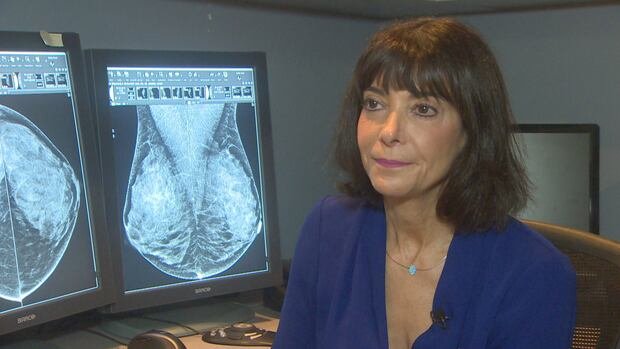
Dr. Paula Gordon, a clinical professor at the University of British Columbia and a breast radiologist, emphasized the importance of dispelling these misleading claims to prevent fear-driven avoidance of screening. She clarified that the radiation exposure from mammograms after age 40 is minimal compared to daily environmental radiation levels. Addressing concerns, she explained that the radiation dosage during a mammogram is extremely low and poses negligible risk, similar to living at sea level for a few weeks.
Lisa Vick, a breast cancer survivor and advocate, shared her initial hesitation about mammogram radiation exposure before her diagnosis. Despite assuming she didn’t need a mammogram due to her age and health status, she now regrets not being screened earlier. Vick highlighted the importance of early screening to assess breast density and associated risks, especially for women under 50.
The Saskatchewan Cancer Agency (SCA) confirmed that women eligible for screening mammograms can schedule appointments without a signup process by contacting BreastCheck. The majority of screening sites offer appointments within four weeks, except for Regina, where appointments can be scheduled within four months. However, Vick noted inconsistencies in appointment wait times reported by women across different age groups and urged the government to address these issues transparently.
Gordon addressed the misconception surrounding “false positive” results, clarifying that they are better termed “false alarms” and often lead to additional tests to confirm diagnosis. She underscored the importance of early detection through screening mammograms, as it can significantly impact treatment outcomes and reduce the need for extensive interventions.
Advocates, including Dense Breasts Canada and leading breast cancer specialists, called for a proactive approach to debunk misinformation around mammogram safety. Suggestions included incorporating educational messages in communications to eligible women and emphasizing the benefits of early detection. Efforts to dispel myths and promote accurate information are essential to encourage more women to undergo timely mammogram screenings.