


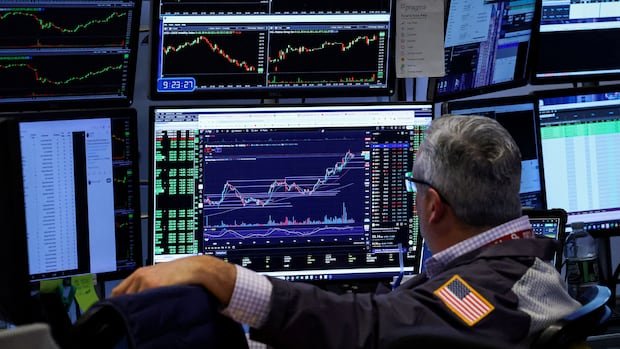

The U.S. stock market experienced another day of volatility on Wednesday, with the S&P 500 gaining 0.4% after fluctuating between a minor loss and a 1.1% increase earlier in the day. This ended a four-day losing streak, the longest in almost three months, driven by concerns over elevated stock prices and potential Federal Reserve interest rate cuts falling short of expectations.
The Dow Jones Industrial Average rose by 47 points (0.1%), and the Nasdaq composite climbed 0.6%. Constellation Energy surged by 5.3% following a $1 billion loan announcement from the U.S. Department of Energy to assist in restarting its nuclear power plant at Three Mile Island. Meanwhile, Lowe’s saw a 4% increase in its stock value after surpassing summer profit expectations.
Offsetting these gains was a 2.8% decline in Target’s stock price, as the company reported lower revenue for the latest quarter than anticipated. Target hinted at ongoing challenges leading up to the crucial holiday shopping season. In contrast, Walmart’s stock dipped by 0.8%.
The market’s attention was mainly on Nvidia, a significant player in Wall Street, whose stock rose by 2.8% as investors awaited the company’s latest financial report. Nvidia’s market value briefly exceeded $5 trillion and is a pivotal stock on the S&P 500, influencing the index’s performance significantly.
To address concerns about its stock valuation, Nvidia aims to sustain robust profitability since stock prices typically align with earnings over time. The company’s positive outlook and strong financial performance in the latest quarter exceeded analysts’ projections, potentially setting the stage for further market gains.
Nvidia’s pivotal role in the artificial intelligence (AI) sector underscores its influence on the broader market trend. The company’s chips are pivotal in driving AI innovation across various industries, contributing to the recent market upsurge. However, concerns loom over whether the AI frenzy might lead to overvaluation akin to the dot-com bubble of 2000, which precipitated a significant market downturn.
Ahead of an impending U.S. government jobs report, traders are closely monitoring employment data for insights into economic strength and potential Federal Reserve actions. The job market’s performance, influencing the Fed’s interest rate decisions, remains a key factor shaping market expectations for future rate cuts.