


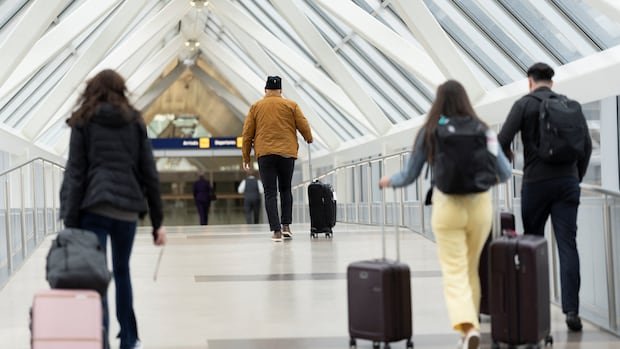

U.S. Transportation Secretary Sean Duffy issued a warning on Friday, stating that airlines might face up to a 20% reduction in flights if the government shutdown persisted. This led to U.S. airlines implementing unprecedented flight cuts following orders from the Federal Aviation Administration (FAA). Initially, a four percent reduction in domestic flights was observed at 40 major airports, with plans to increase this to 10% by November 14. Secretary Duffy mentioned the possibility of requiring even larger cuts, up to 20%, depending on the evolving situation.
The shutdown, which has lasted a record 38 days, has resulted in 13,000 air traffic controllers and 50,000 security screeners working without pay, leading to a rise in absenteeism. FAA administrator Bryan Bedford reported significant absentee rates among controllers. The Trump administration has been pressuring Democrats to agree to a Republican funding plan to reopen the federal government.
Democrats argue that Republicans are responsible for the shutdown due to their reluctance to negotiate on health insurance subsidies. The current flight reductions primarily affect domestic flights at major airports, with around 700 flights cut by major carriers like American Airlines, Delta Air Lines, Southwest Airlines, and United Airlines. The cuts are set to escalate, reaching six percent by the following Tuesday and do not apply to international flights.
Air traffic controller absences on Friday caused delays at 10 airports, impacting hundreds of flights. American Airlines CEO Robert Isom expressed confidence in managing the initial cuts but warned of potential challenges with increased reductions. United Airlines reported successful rebooking for half of affected passengers within hours of the original departure time.
Secretary Duffy emphasized that the flight reductions aim to ensure safety by compensating for fatigued and absent air traffic controllers. The FAA also warned of potential restrictions on space launches and the possibility of rejecting disproportionate cuts. Additionally, the agency may reduce up to 10% of general aviation flights at busy airports if staffing issues persist.