


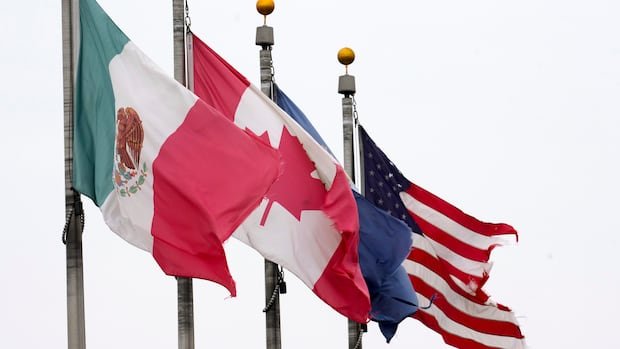

Key figures in the influential agricultural sector in Washington believe that despite U.S. President Donald Trump’s recent negative remarks about the trade agreement with Canada and Mexico, the pact will endure. Trump’s recent comments downplaying the Canada-U.S.-Mexico Agreement (CUSMA) and suggesting potential termination have not caused concern among leaders in the U.S. agriculture industry, which strongly supports the deal.
At a conference in Washington, D.C., industry insiders expressed confidence in the benefits that CUSMA has brought to American farmers, food processors, and consumers. They believe that the success of the agreement signed during Trump’s first term makes it unlikely for him to dismantle it in his second term. Two former members of the U.S. negotiating team who were part of the talks leading to the agreement’s signing in 2018 shared their optimism about the agreement’s future.
Darci Vetter, Vice President of Public Affairs for Driscoll’s, a major fruit producer, and former chief agricultural negotiator in the U.S. Trade Representative’s office, expressed optimism about the agreement’s continuity. Vetter highlighted the existing integration and commitment across the three countries involved in making the trade deal work.
While uncertainties surround the future negotiations, industry experts like John Bode, President and CEO of the U.S. Corn Refiners Association, are confident that CUSMA will prevail due to its evident benefits for North American stakeholders. Gregg Doud, President and CEO of the National Milk Producers Federation, praised CUSMA as the standard for trade agreements globally and emphasized its improved mechanisms for resolving disputes compared to the previous NAFTA.
Discussions moving forward may focus on issues like access to Canada’s dairy market and concerns about unfair advantages enjoyed by other countries through the agreement. Despite Trump’s critical comments, there seems to be no clear intent from his administration to withdraw from CUSMA. The negotiation process may involve challenges, but industry leaders remain positive about the agreement’s future.