


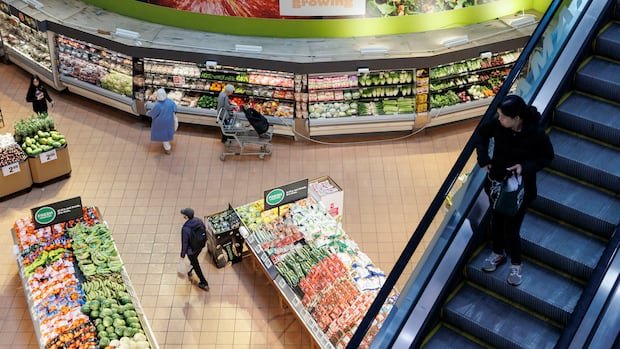

Can initiatives such as food terminals, increased domestic food production, and stricter enforcement against anticompetitive practices enhance competition in Canada’s grocery sector? Independent grocers and industry experts suggest these steps could lead to a more competitive landscape depending on the implementation of the strategy.
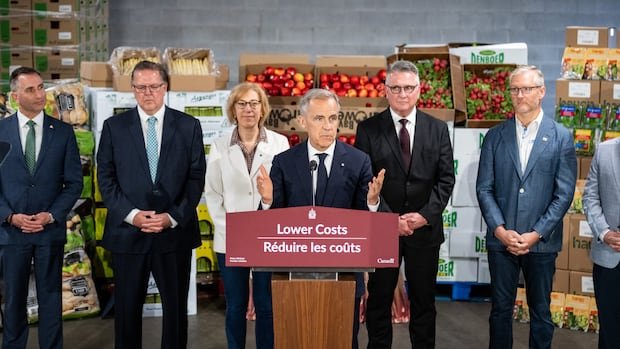
Prime Minister Mark Carney unveiled a $3.2-billion food security plan with various measures aimed at fostering competition in the grocery industry.
One key component is a $1-billion investment to establish and expand food terminals and hubs, similar to Toronto’s Ontario Food Terminal, enabling independent grocers to procure food at more competitive rates. The government plans to enhance the Ontario Food Terminal by year-end and initiate the construction of two new terminals and expansion of 10 food hubs by 2028.
Moreover, the plan allocates $12.9 million annually to the Competition Bureau to identify anticompetitive practices in the sector and take enforcement actions. It also includes funding to support domestic food processing by producers and enhance food cultivation in Canadian greenhouses.
Gary Sands, the senior vice-president of the Canadian Federation of Independent Grocers, lauded the measures as positive news for both independent grocers and Canadian consumers.
“I believe some of these initiatives will enhance affordability and bolster the ability of independent grocers to compete effectively,” Sands remarked.
Several of the proposed measures align with Sands’ longstanding advocacy efforts, particularly the expansion of food terminals, which he believes can empower independent grocers in the competitive landscape.
“The Ontario Food Terminal is a valuable asset,” Sands emphasized.
The Toronto-based facility brings together small and medium-sized producers of fresh produce in a centralized location. Being the only terminal of its kind in Canada, Sands is hopeful that the construction of two more terminals could extend similar benefits to Eastern and Western Canada.
Christy McMullen, the chair of the Ontario terminal’s board and vice-president of Summerhill Market, likened the terminal to an industrial-scale farmers market.
Unlike traditional suppliers, the terminal offers grocers access to a multitude of producers, allowing them to negotiate for lower-priced foods, explained McMullen.
“The terminal provides more opportunities for bargaining compared to the limited choices from regular suppliers,” she added.
According to government plans, hubs, operating similarly to terminals but on a smaller scale, will further promote competition.
Despite the distance, Munther Zeid, the owner of the independent grocer Food Fare in Winnipeg, sources produce from the Ontario terminal due to its cost-effectiveness