



Jennifer Cooper discovered her first microdrama while browsing on TikTok. The ad introduced a melodramatic series where a woman seeks revenge on her cheating boyfriend and hostile family by seducing her boyfriend’s affluent uncle. The themes of jealousy and romance resonated with Cooper, reminiscent of Chinese dramas she enjoys. Intrigued, she watched all the brief episodes before investing to see the conclusion.
The microdrama genre, featuring outlandish narratives served in one to two-minute segments in a vertical format, has gained popularity on various apps, especially on social media platforms like TikTok. Despite the somewhat predictable plots, these videos have garnered significant attention, attracting interest from Canadian producers and talent exploring this new storytelling medium.
The success of microdramas in Asia, particularly in China where the industry generated $7 billion in 2024, surpassing box office revenues, has sparked interest in Japan and South Korea. The global microdrama market is projected to reach $9.5 billion by 2030. This trend has also caught the eye of Hollywood studios, with companies like Fox and DramaBox venturing into the vertical drama space, partnering with microdrama creators.
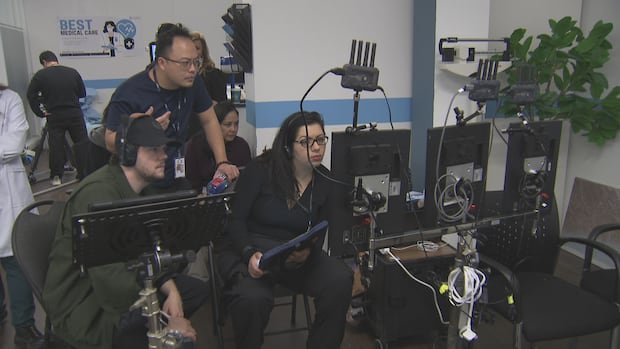
Canadian director Samantha MacAdams, drawn to the rising trend of microdramas, emphasized the shift towards vertical storytelling, noting the increasing viewership on mobile devices. In Canada, actors like Evan Bacic have found consistent work in microdramas, allowing them to pursue acting full-time. The fast-paced nature of microdrama sets, where multiple pages are filmed per day, presents both challenges and excitement for actors like Bacic.
Despite the opportunities presented by microdramas, concerns remain regarding compensation and quality standards, as many productions are not unionized, potentially compromising worker wages and safety. Organizations like ACTRA Toronto are working to establish guidelines for actors’ pay, safety measures, and the inclusion of intimacy coordinators to address these issues.
Critics have also highlighted the lack of diversity in casting and the reliance on stereotypes in microdrama storylines. Industry professionals like Tim Zhou, CEO of Toronto-based Ottawood Film Studios, acknowledge the room for improvement in writing and acting quality within the vertical format. Zhou believes that as the industry evolves, there will be opportunities for growth and enhanced storytelling in microdramas.
In conclusion, the rise of microdramas presents a unique and evolving landscape in the entertainment industry, with potential for significant growth and innovation if quality standards and inclusivity are prioritized.