


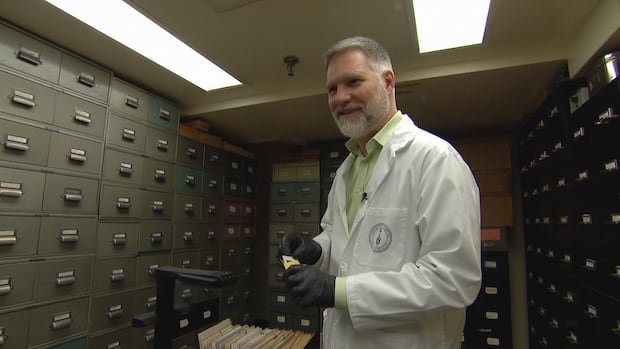

A distinctive assortment of tiny fungi crucial for medical and ecological studies in Canada has been rescued from potential relocation overseas.
The UAMH Centre for Global Microfungal Biodiversity has been granted a $1 million contribution from the Weston Family Foundation, ensuring its retention in Canada for domestic utilization.
Expressing their support, the Weston Family Foundation emphasized the biobank’s significance in driving medical breakthroughs, public health readiness, and ongoing innovation. Researchers like Ayush Kumar from the University of Manitoba, who has utilized the specimens for antibiotic discovery, are thrilled that this valuable resource will remain in Canada.
James Scott, the director of the fungal biodiversity center at the University of Toronto, expressed astonishment upon learning about the donation, estimating that it will provide essential funding for approximately five years to strategize a sustainable long-term plan for the center.
The collection, touted as the largest assortment of medically relevant fungi in the western hemisphere, comprises nearly 12,000 specimens from 3,200 species worldwide, serving as a critical resource for Canadian researchers and businesses. These fungi, some causing diseases in humans and animals, are vital for drug development, species preservation, and addressing emerging threats exacerbated by climate change.
Mary Berbee, a botany professor at the University of British Columbia, praised the preservation of the collection, emphasizing the importance of sharing samples to facilitate reproducibility in scientific studies. She highlighted the uniqueness of two-thirds of the strains in the collection, warning that restricted access could impede or halt crucial research endeavors.
Following the funding depletion in 2024, Scott explored options to sustain the collection and prevent its potential disposal. Recognizing the implications of relocating the materials abroad, he stressed the importance of maintaining access for Canadian researchers to advance scientific knowledge.
After media coverage of the biobank’s financial struggle, the Weston Family Foundation stepped in, offering a lifeline through a grant application process, ultimately securing the center’s future. The center is now focusing on expanding outreach to researchers, institutions, and companies to leverage its specimen repository effectively.
By enhancing online cataloging and accessibility of specimens, the Centre for Global Microfungal Biodiversity aims to generate revenue through user fees and establish an endowed fund for sustained operations.