



Paleontologist Riley Black expressed little surprise upon discovering that numerous scientists in her field were linked to the Epstein files. These files unveiled Jeffrey Epstein’s associations with influential figures and hundreds of scientists, some of whom continued to receive funding from him post his 2008 conviction. Notably, prominent names in paleontology were among those involved.
The revelation has sparked concerns within the paleontology community, with women in the field highlighting systemic misogyny and power imbalances. They describe an environment where abuse and harassment are prevalent, overshadowing the importance of funding and recognition, and where established male figures are shielded at the expense of aspiring female professionals.
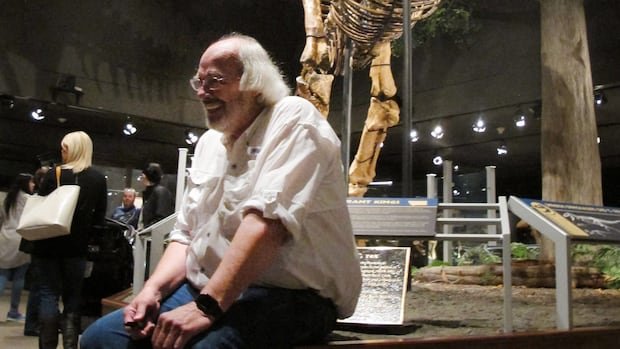
Epstein’s interests in evolutionary sciences and dinosaur fossils have reverberated throughout the paleontology community, causing shockwaves. Notably, Jack Horner, a renowned dinosaur researcher associated with California’s Chapman University, faced repercussions after his connections with Epstein came to light. Despite the fallout, accountability remains scarce when allegations of misconduct surface, as seen in the case of Nathan Myhrvold, a former Microsoft executive actively involved in paleontology research.
The scientific community’s engagement with Epstein underscores the challenges of securing funding for research. Stuart Sumida, President of the Society of Vertebrate Paleontology (SVP), acknowledges the allure of financial support from wealthy individuals like Epstein. Epstein’s funding of scientific endeavors, including conferences and research projects, enticed many researchers, creating ethical dilemmas within the community.
While the Epstein files have prompted introspection and calls for accountability, they have also exposed deeper issues within paleontology. Women in the field face vulnerabilities due to remote fieldwork conditions and a culture that prioritizes the reputation of renowned scientists over the safety of all professionals. Efforts to address these concerns have led to the revision of ethics codes and the implementation of reporting mechanisms within organizations like the SVP.
Despite the progress made in combating misconduct, challenges persist. Women in paleontology continue to grapple with fear and uncertainty, with some considering leaving academia due to the lack of protection and support. The importance of fostering a safe and inclusive environment in paleontology to ensure its sustainability and appeal to a diverse range of professionals has become increasingly apparent amid the revelations brought to light by the Epstein files.